

Updating Internal Working Models To Prevent Unilateral Allostatic Load Absorption
An internal working model updates when repeated reciprocal presence replaces unilateral allostatic load absorption during high stress operational cycles.
An internal working model updates when repeated reciprocal presence replaces unilateral allostatic load absorption during high stress operational cycles.
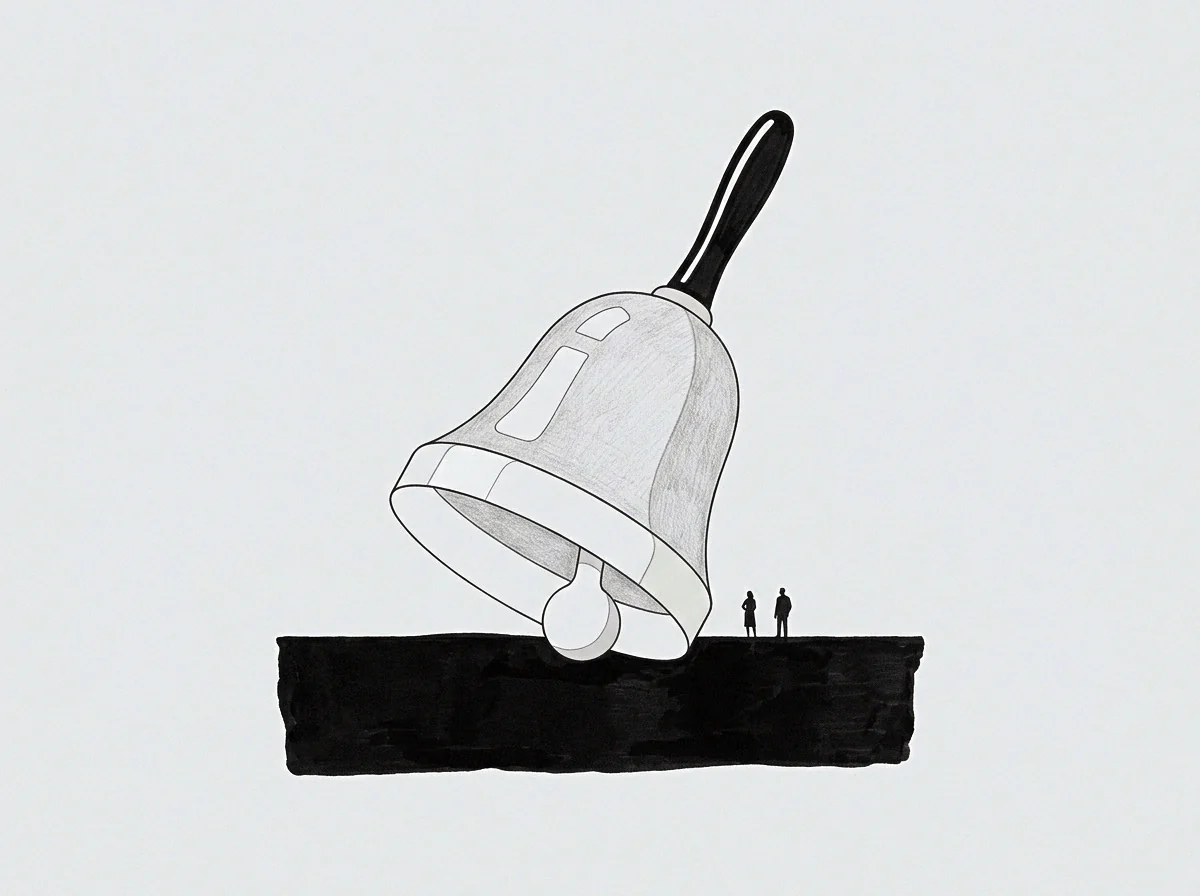
Social baseline theory demonstrates that human brains delegate threat regulation to trusted peers, lowering metabolic costs while increasing load on leaders.

Solitary autonomic regulation under organizational scaling drives allostatic overload, forcing neuroendocrine biological throttling when shared social baselines are absent.

System throttling is an adaptive physiological down-regulation caused by allostatic overload, distinct from clinical depression's neurochemical failure.
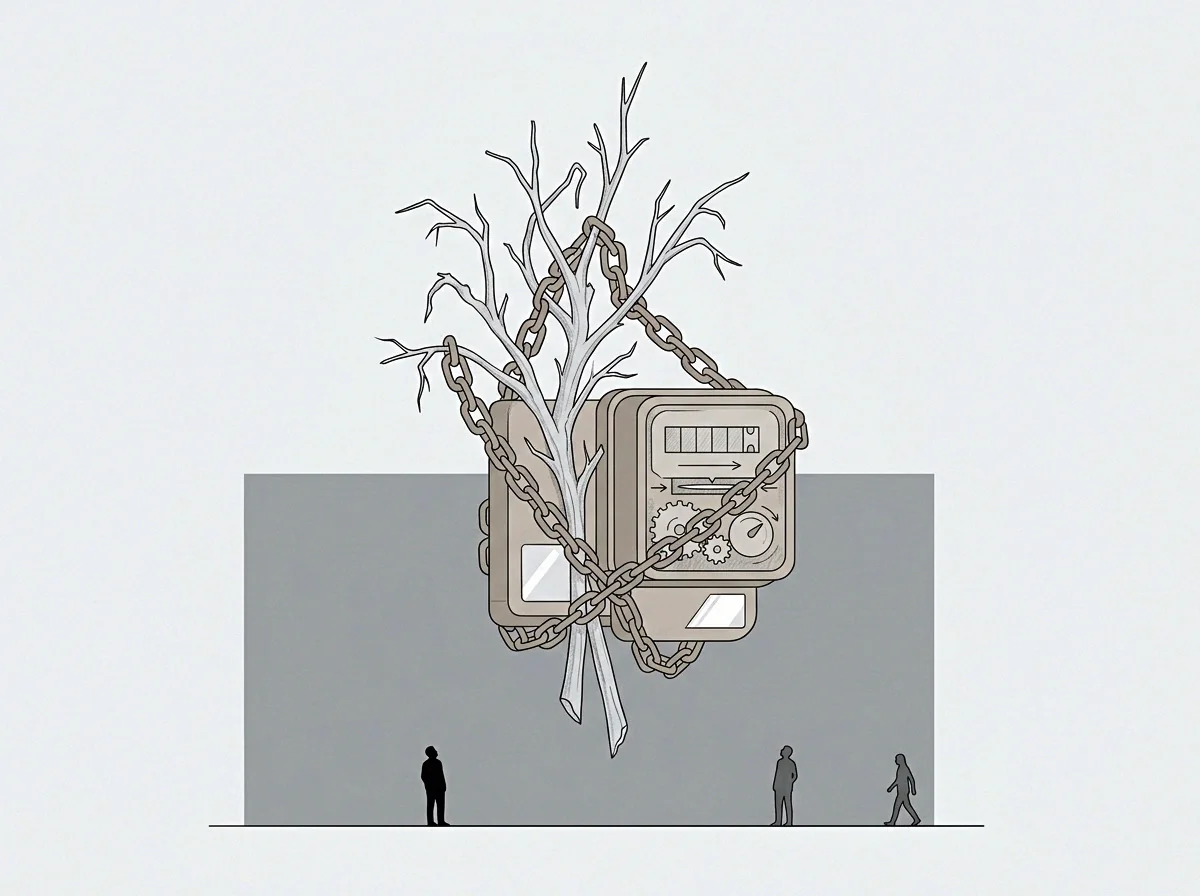
Centralized executive regulation accumulates unsustainable allostatic load during growth, requiring distributed operational nodes to stabilize institutional baseline energy.
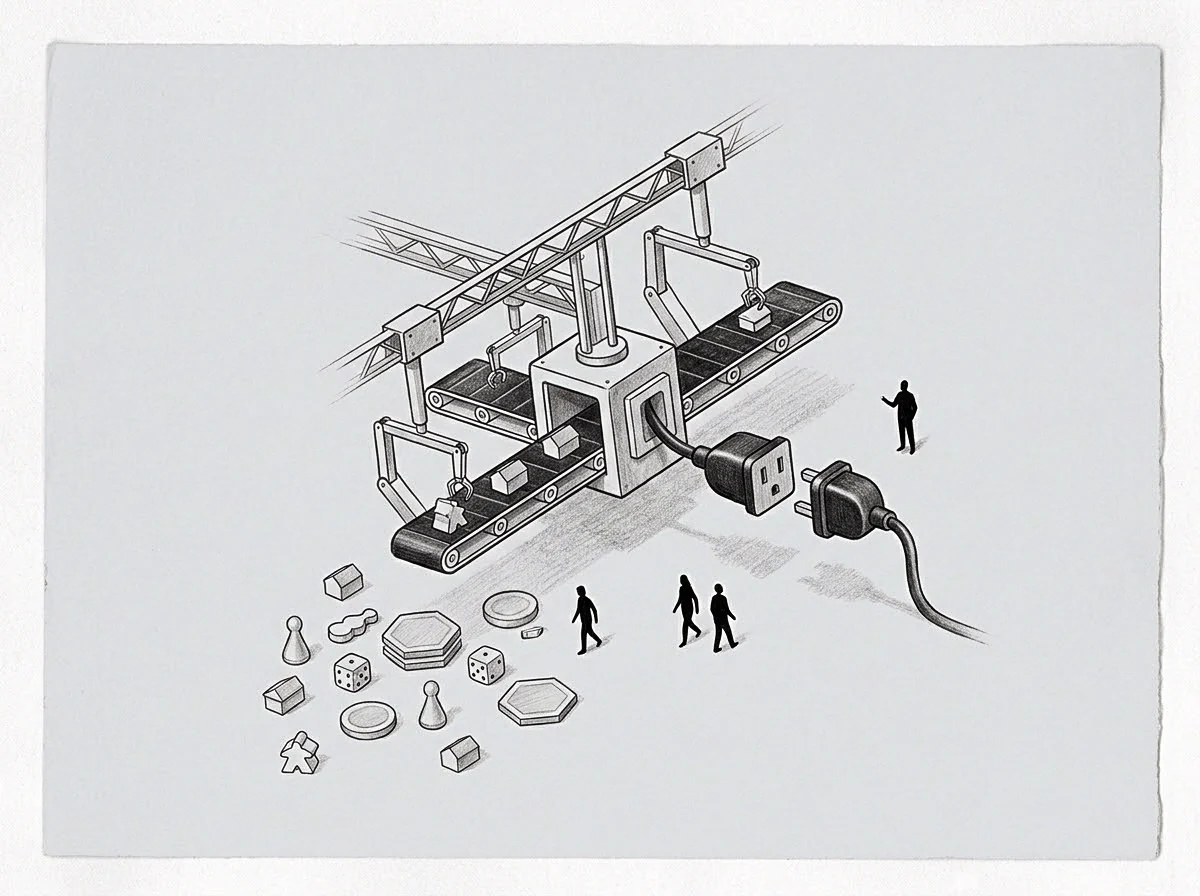
Rebuilding relational receptor slots across unequal power requires calibrated low-stakes exposure that keeps structural authority from triggering threat responses.
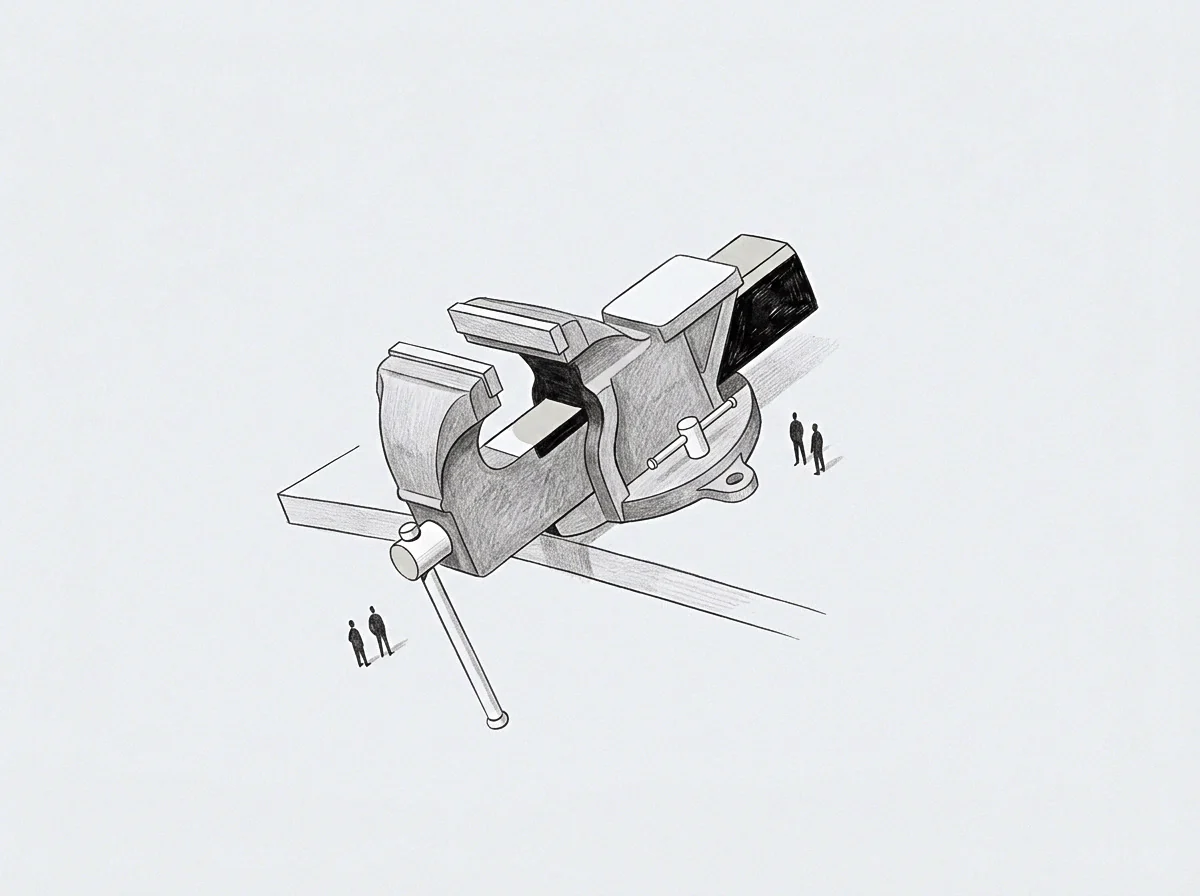
Autonomic regulation recovers when sustained solitary load gives way to repeated physical co-regulation, updating the internal baseline from threat to safety.
Autonomic exhaustion occurs when a depleted nervous system encounters domestic proximity as a renewed demand for social regulation rather than a source of safety.

Extended solitude shifts autonomic baseline regulation to solo holding, requiring structured low-demand proximity exposure to reconstruct social receptor capacity.

Extended isolation forces the nervous system to down-regulate autonomic reactivity to conserve metabolic energy when external co-regulation is absent.
Extended operational leadership inverts the regulator template, causing external coregulation offers to register as cognitive load rather than physiological relief.
Solo hypervigilance maintains high metabolic regulation costs until repeated somatic micro-exchanges build an internal receptor slot for mutual co-regulation.
Unshared executive regulation causes autonomic throttling, down-regulating decision capacity when chronic co-regulatory load exceeds human biological limits.
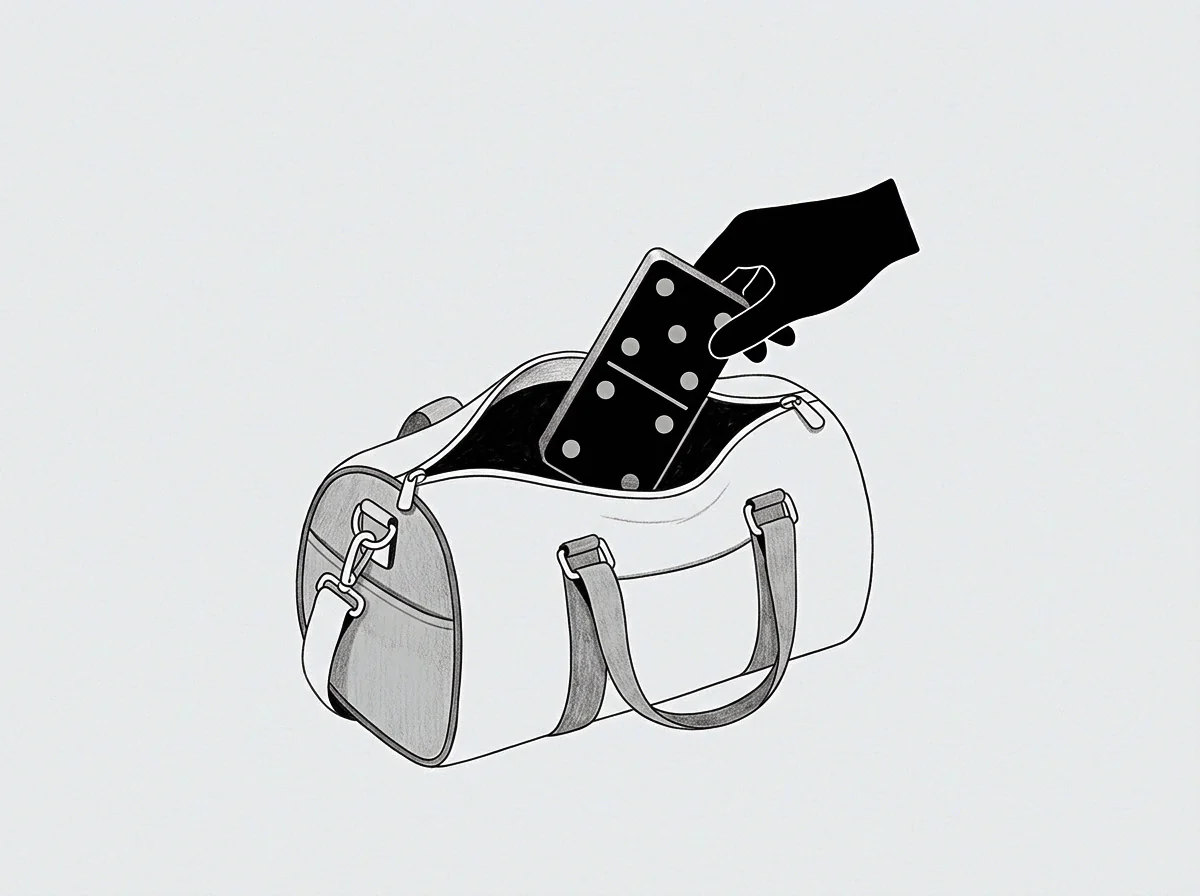
Prefrontal concurrency collapses when ungated active threads exceed working memory slots, forcing executive throttling that standard metrics misdiagnose as depressive fatigue.
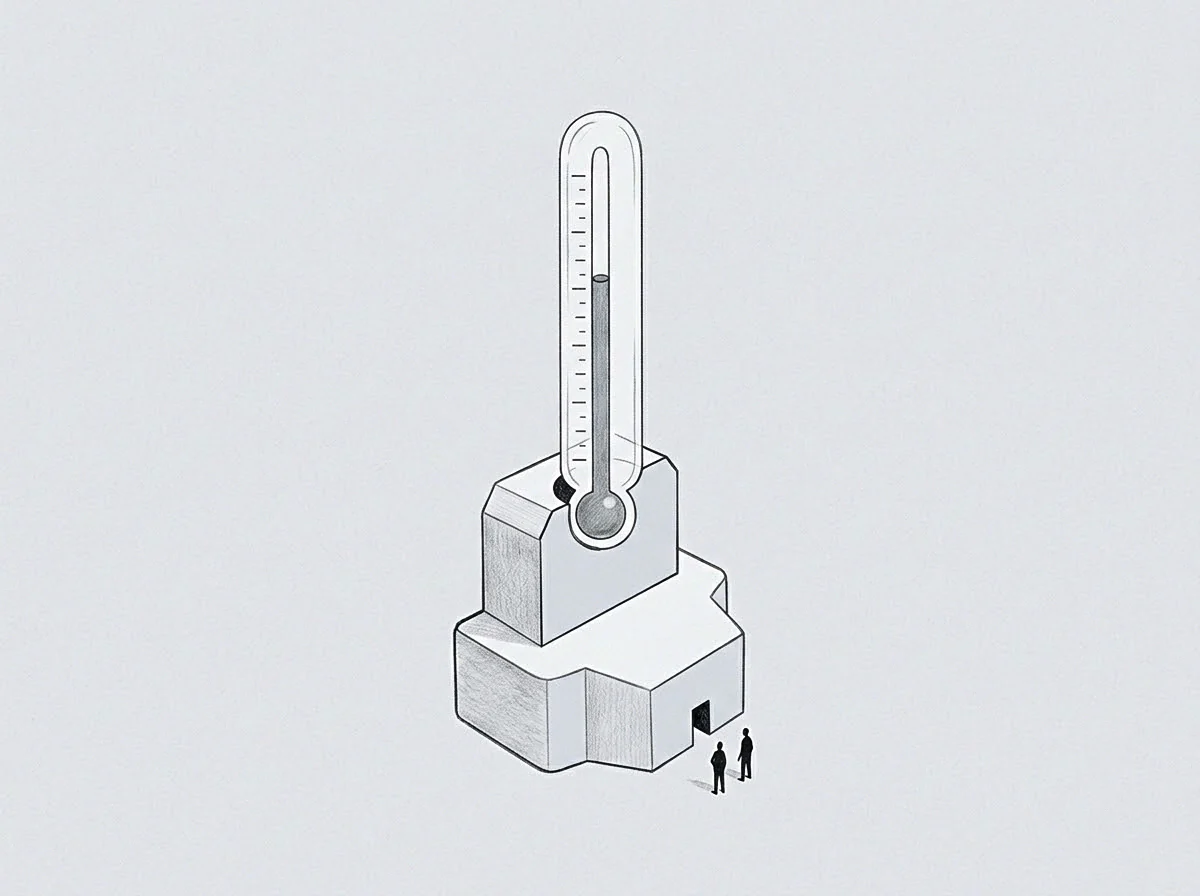
Executive throttling intentionally drops open-ended tasks under peak allostatic load while clinical affective stalling represents generalized regulatory collapse.
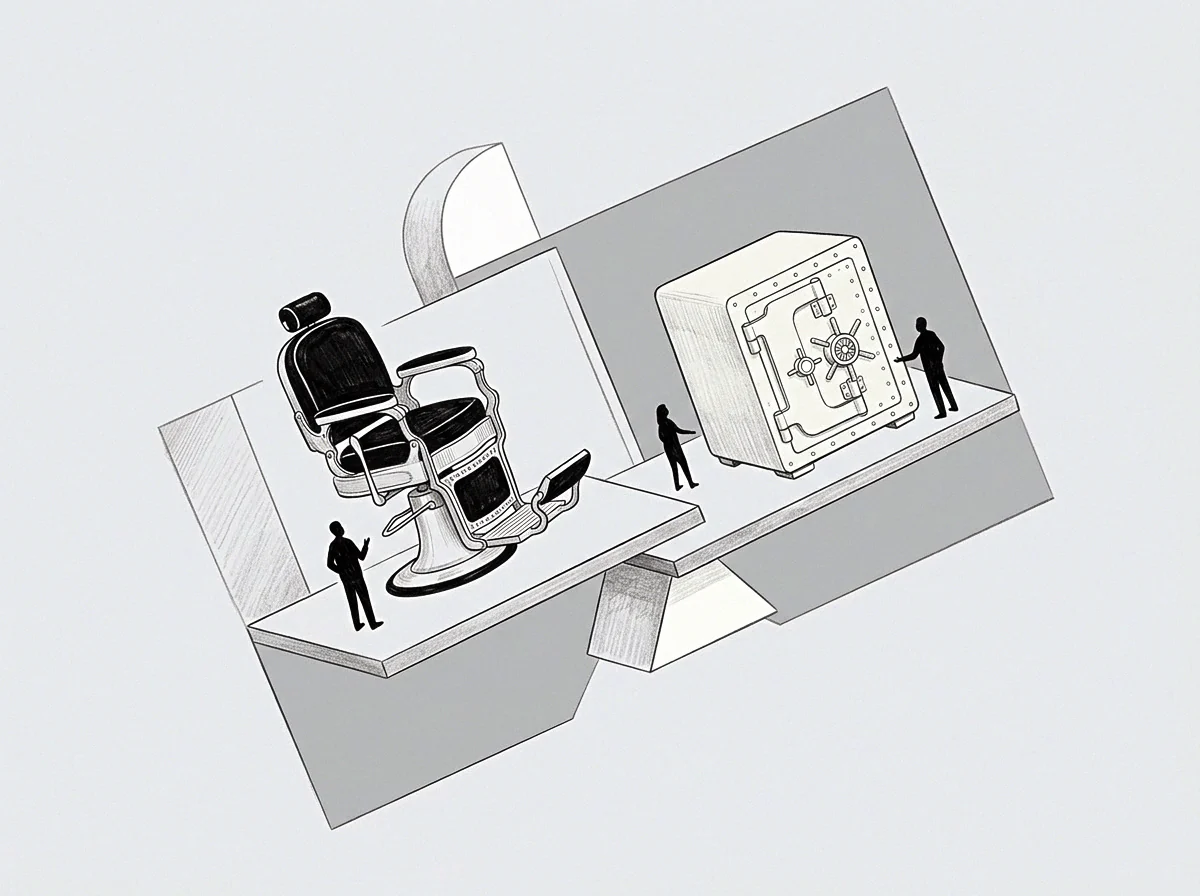
Receptor permeability calibration lowers executive self-regulation costs by enabling co-regulatory baseline updating across high-pressure leadership coalitions.
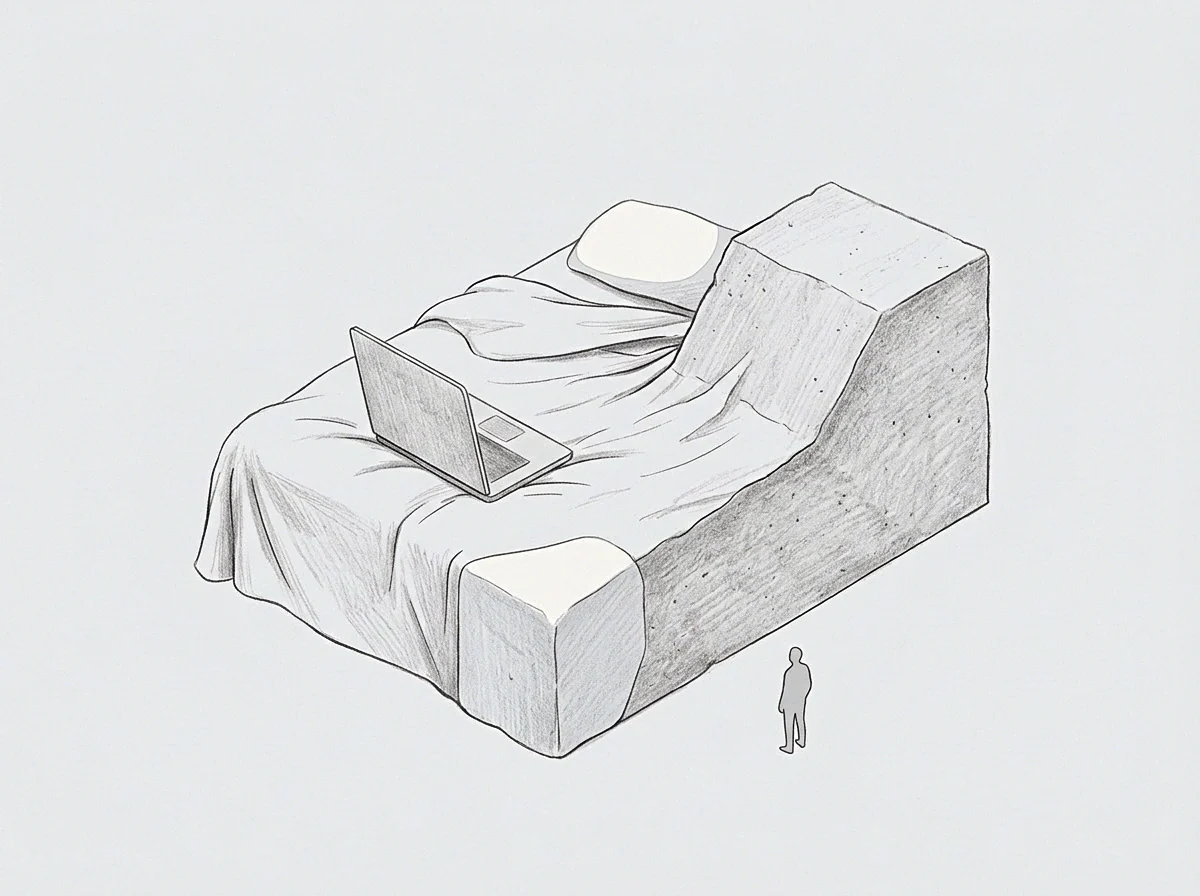
Unfunded co-regulation demands consume executive cognitive headroom and raise allostatic load by converting organizational uncertainty into unmeasured physiological wear.

Allostatic load escalates when executive teams rely on a single leader for regulation, which alters metabolic budgeting until explicit operational limits distribute threat processing.
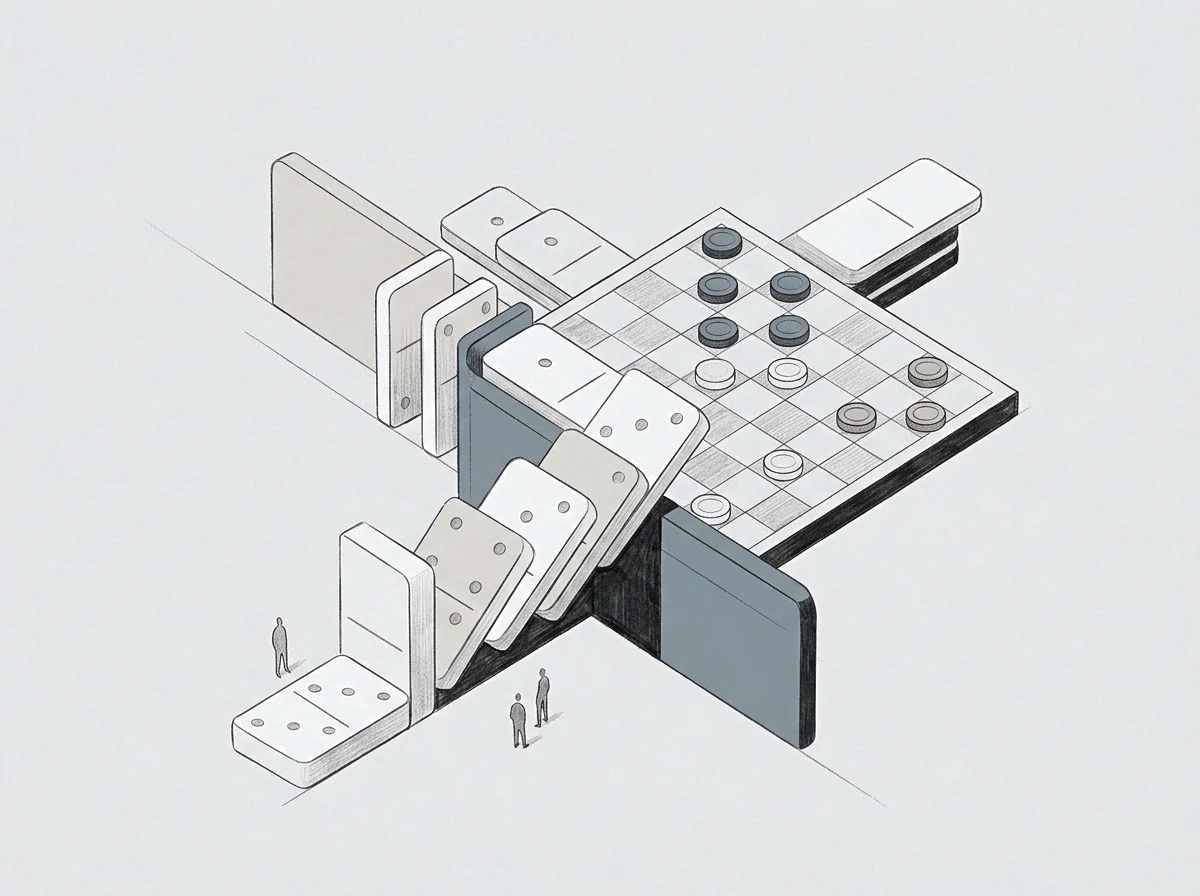
Executive system throttling preserves central processing by selective down-regulation, while major depression reflects general affective and motivational collapse.

Stated operational limits transfer cognitive load back to organizational processes by replacing continuous implicit availability with explicit parameters.

High executive stress shuts down relational receptors by forcing continuous solo regulation, requiring bounded micro-exchanges to rebuild passive autonomic intake.
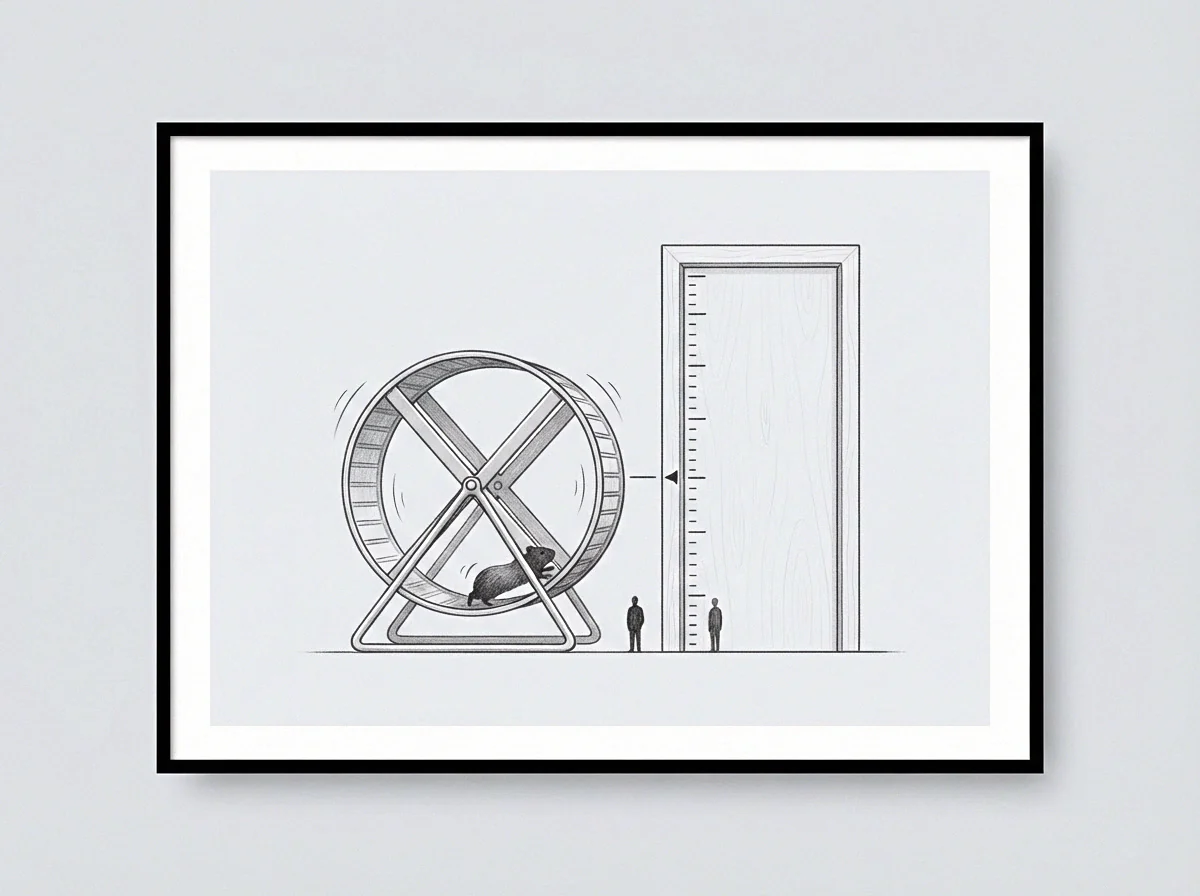
Autonomic recovery rates reflect nocturnal parasympathetic reactivation determined by the density and structural gating of open executive decision threads.
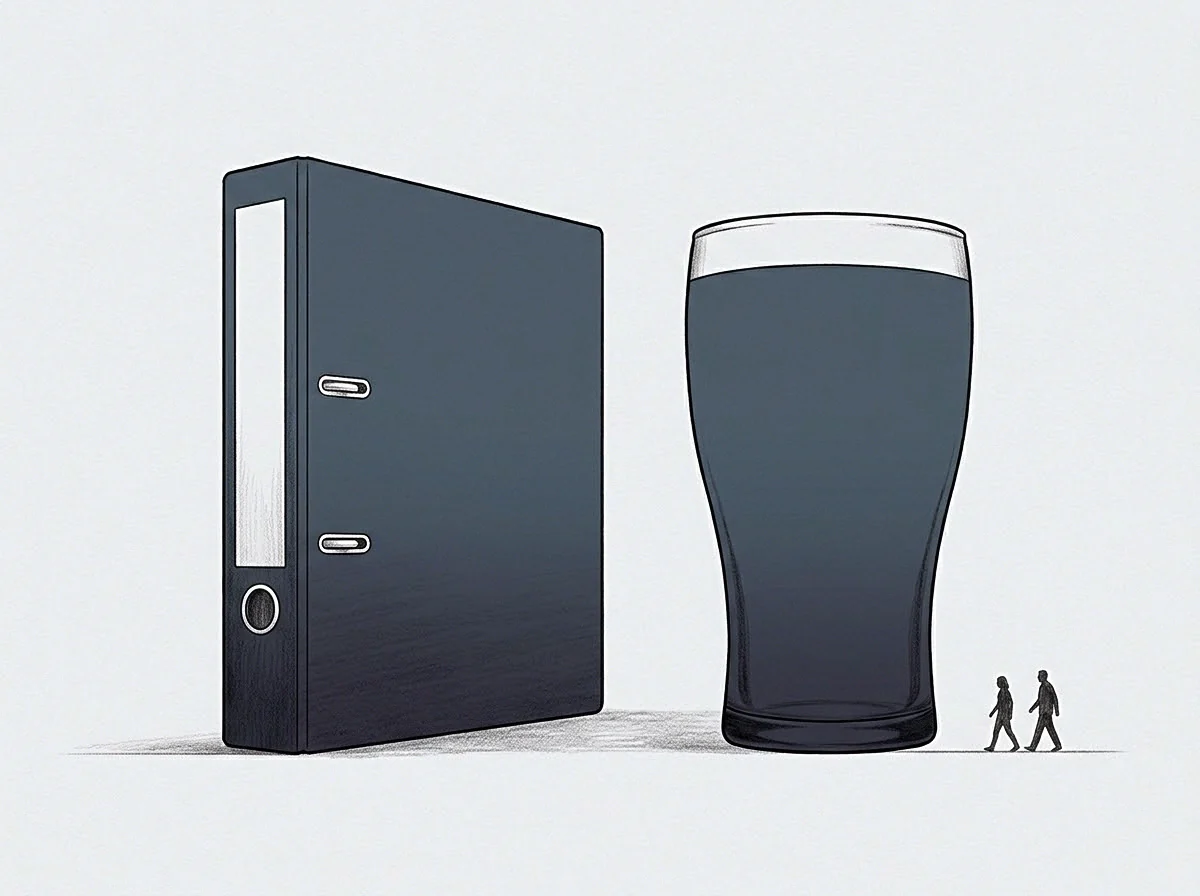
Executive nervous systems collapse in corporate crises because biological co-regulation cannot scale unilaterally across dozens of panicking subordinates.

Isolated nervous systems process domestic physical contact as vigilance tasks, causing continuous cardiovascular strain instead of low-cost autonomic rest.

Structural pressure forces co-founders to share autonomic regulation costs, shifting threat processing load onto the partner displaying lower physiological reactivity.

Extended isolation recalibrates the central nervous system to treat dyadic proximity as a metabolic load rather than a co-regulatory buffer.
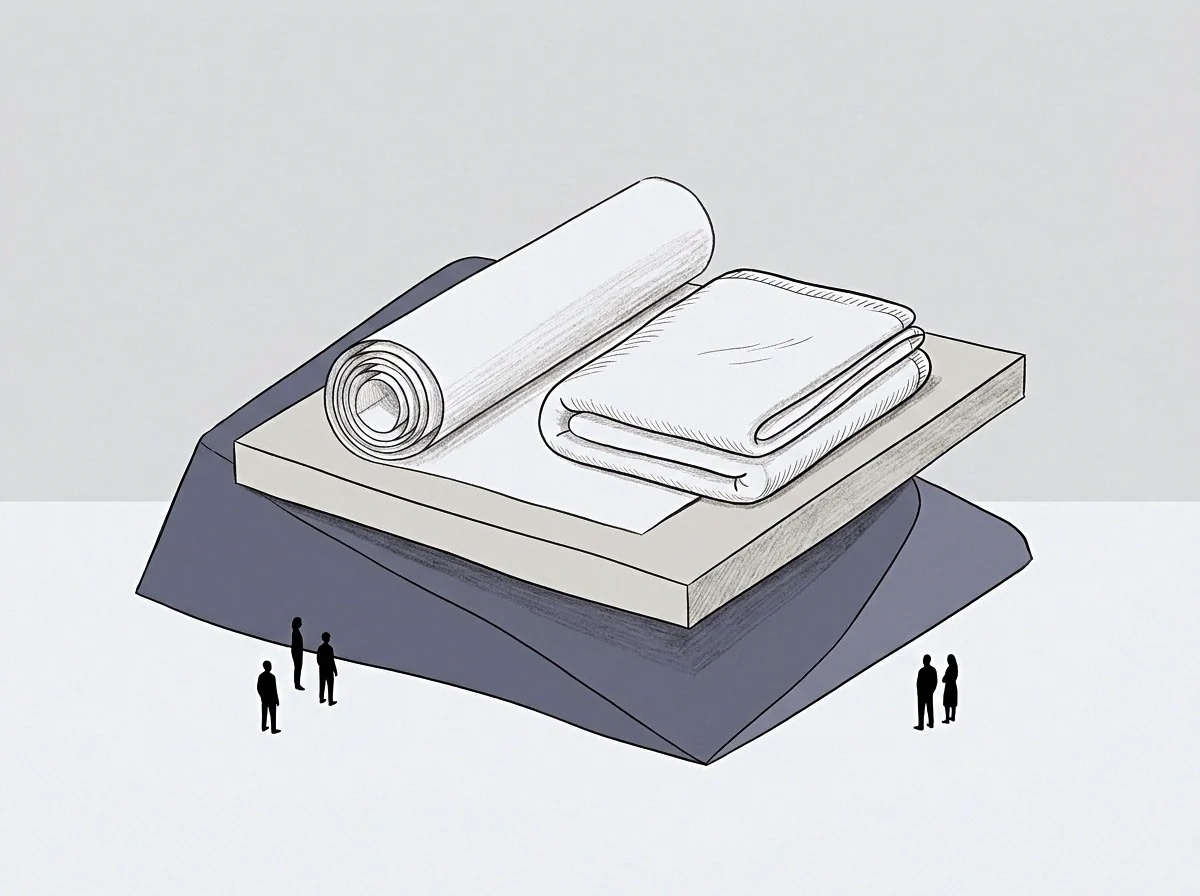
Unbuffered leaders absorb group panic at private metabolic cost, accelerating somatic depletion while subordinates borrow calm without sharing systemic wear.

Severe physiological depletion shifts neural threat processing to solitary self-regulation, forcing acquired relational models to collapse into habitual operational templates.
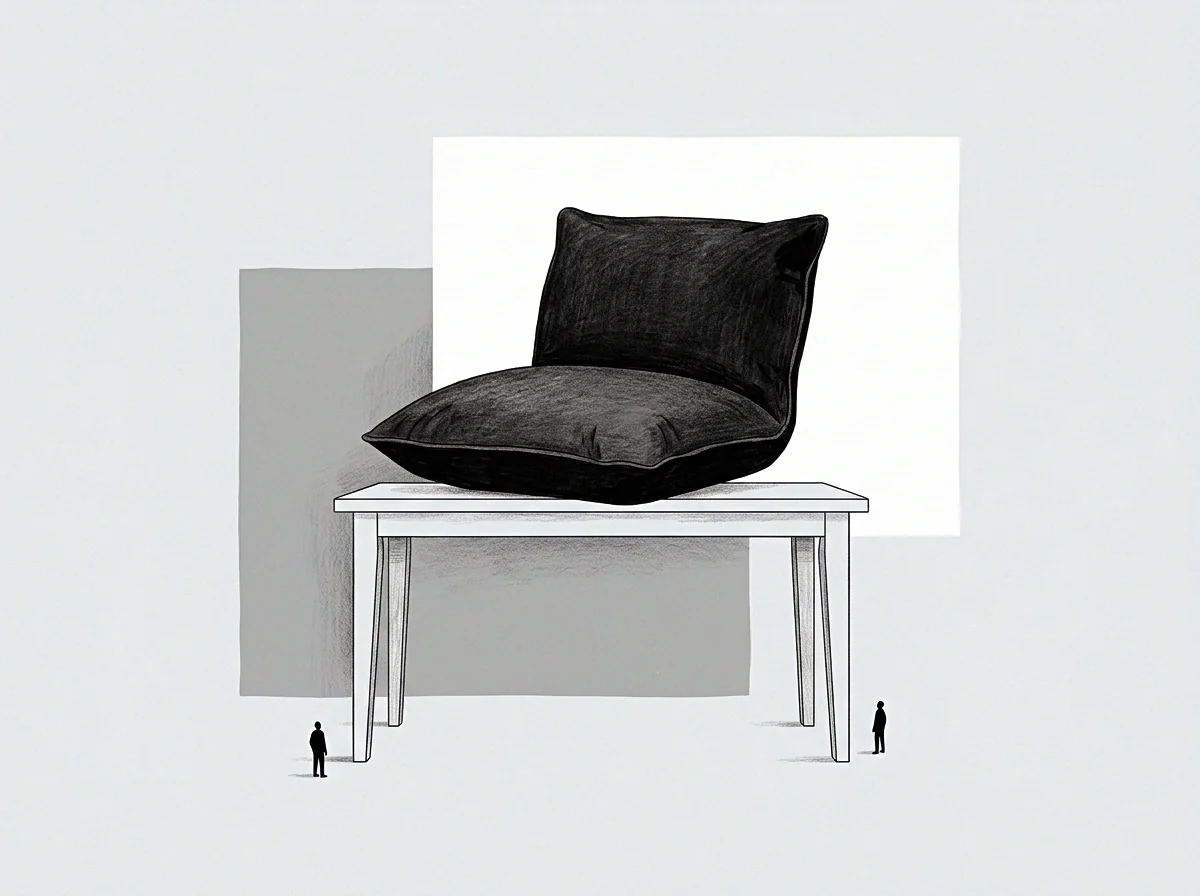
Structural gates protect leadership seats by filtering unconstrained operational threads before transactional volume exceeds biological allostatic limits.
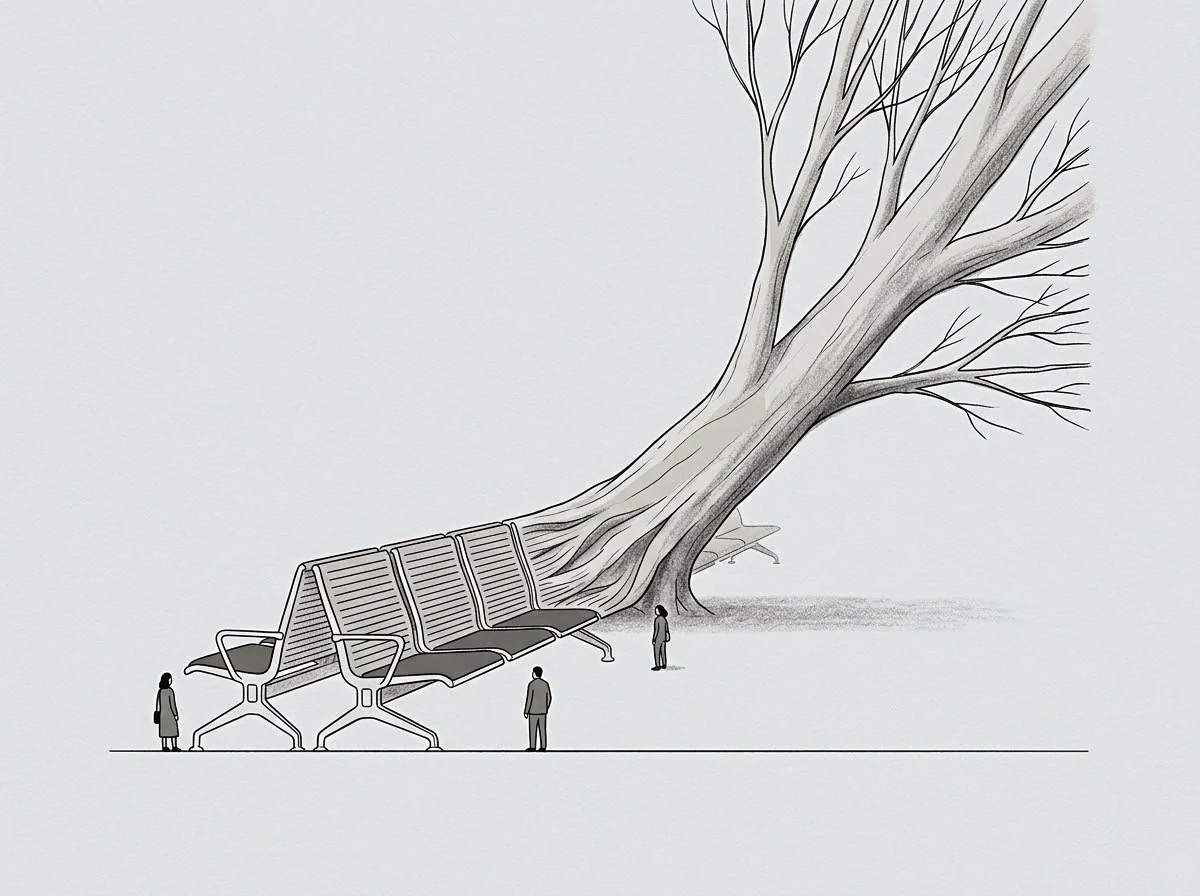
Social baseline theory demonstrates that executive allostatic burnout occurs when continuous solo regulation forces perpetual neural overdraft without co-regulatory relief.
The terms are written where they belong. Each field holds three desks, and every entry a desk writes raises the terms it uses, each term given a meaning, a mechanism and the places it appears. The record on these pages stays first person and hand made; the fields grow the nomenclature.