

Restoring Co-Regulation And Parasympathetic Baseline In High Stress Partnerships
Predictable proximity and explicit autonomic limits reset parasympathetic baseline by lowering the metabolic cost of self-regulation in high-stress partnerships.
Predictable proximity and explicit autonomic limits reset parasympathetic baseline by lowering the metabolic cost of self-regulation in high-stress partnerships.
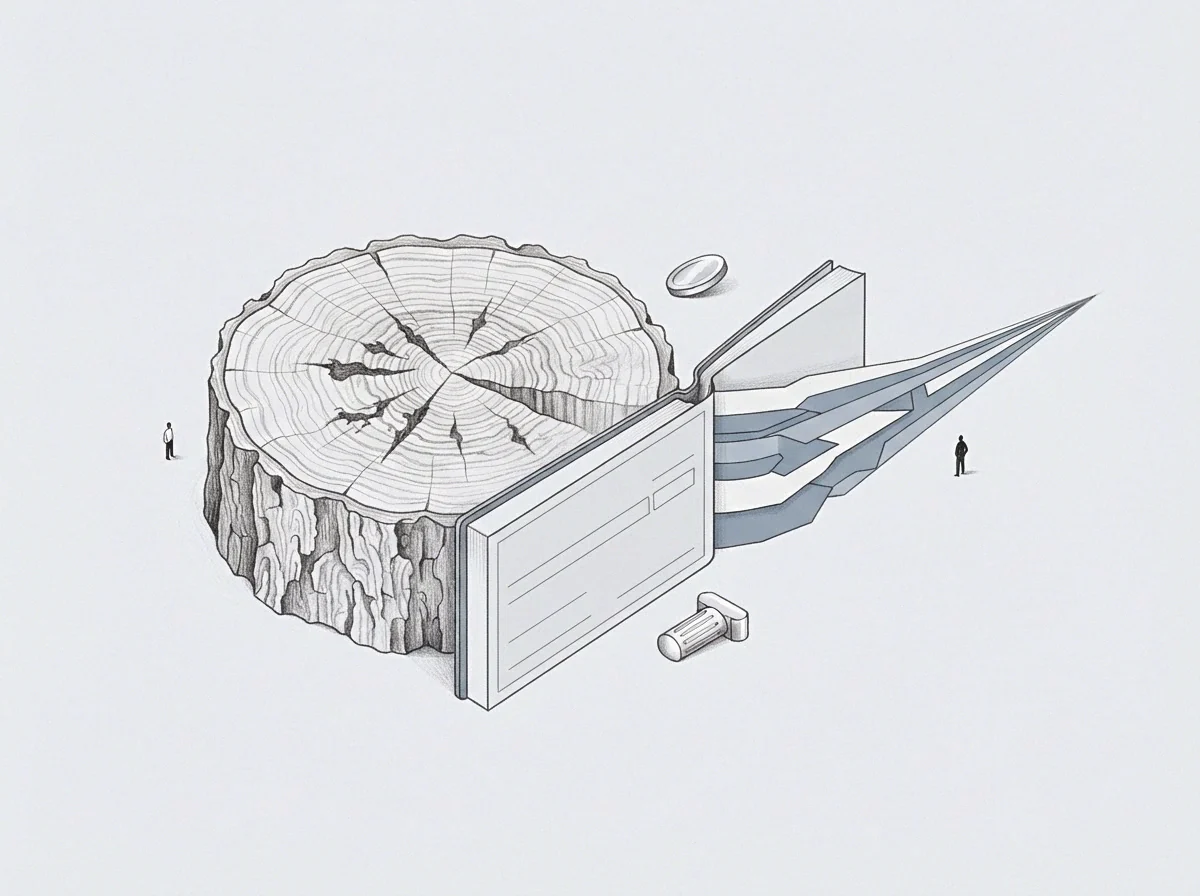
When company builders act as an emotional baseline without stating capacity caps, team stability relies on borrowed calm that exhausts executive neural reserves.
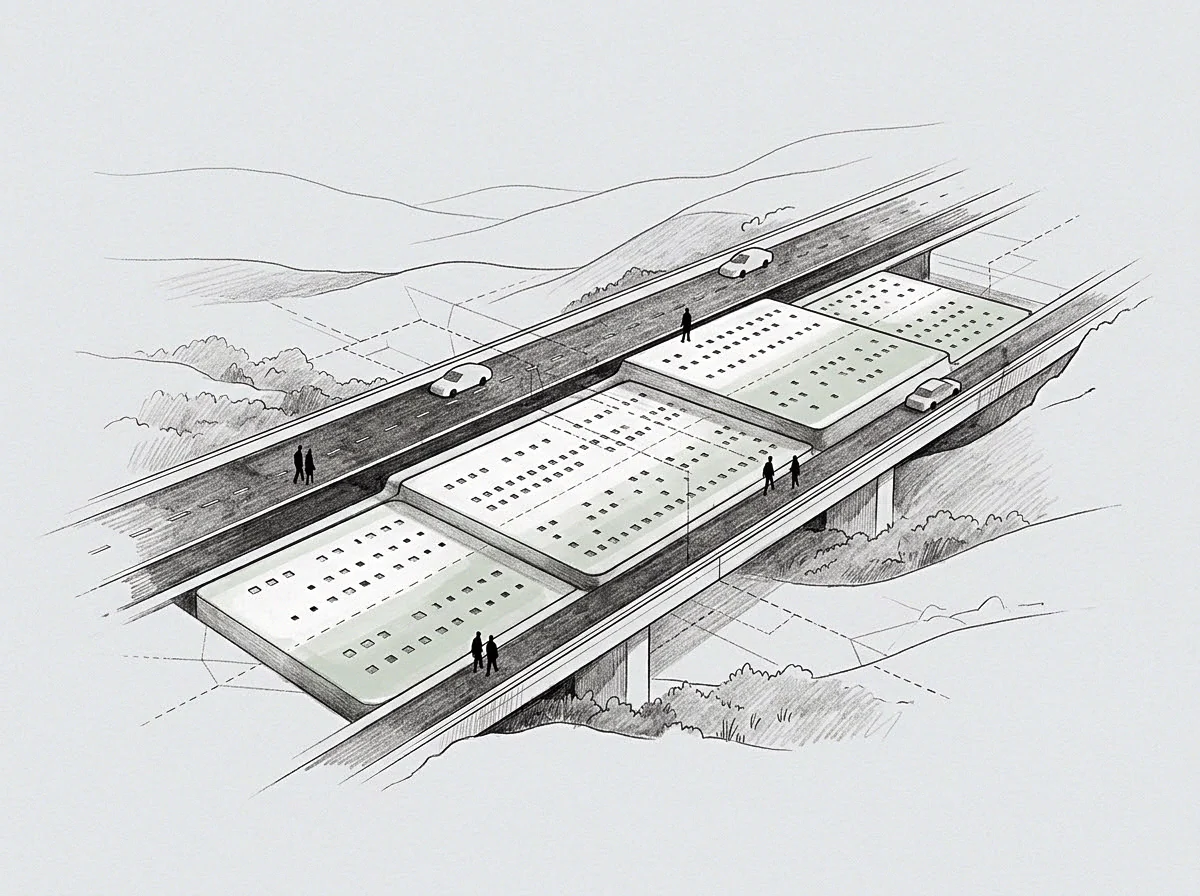
Executive system throttling selectively suppresses high-order cognitive processing to protect vital operational capacity under sustained physiological load.
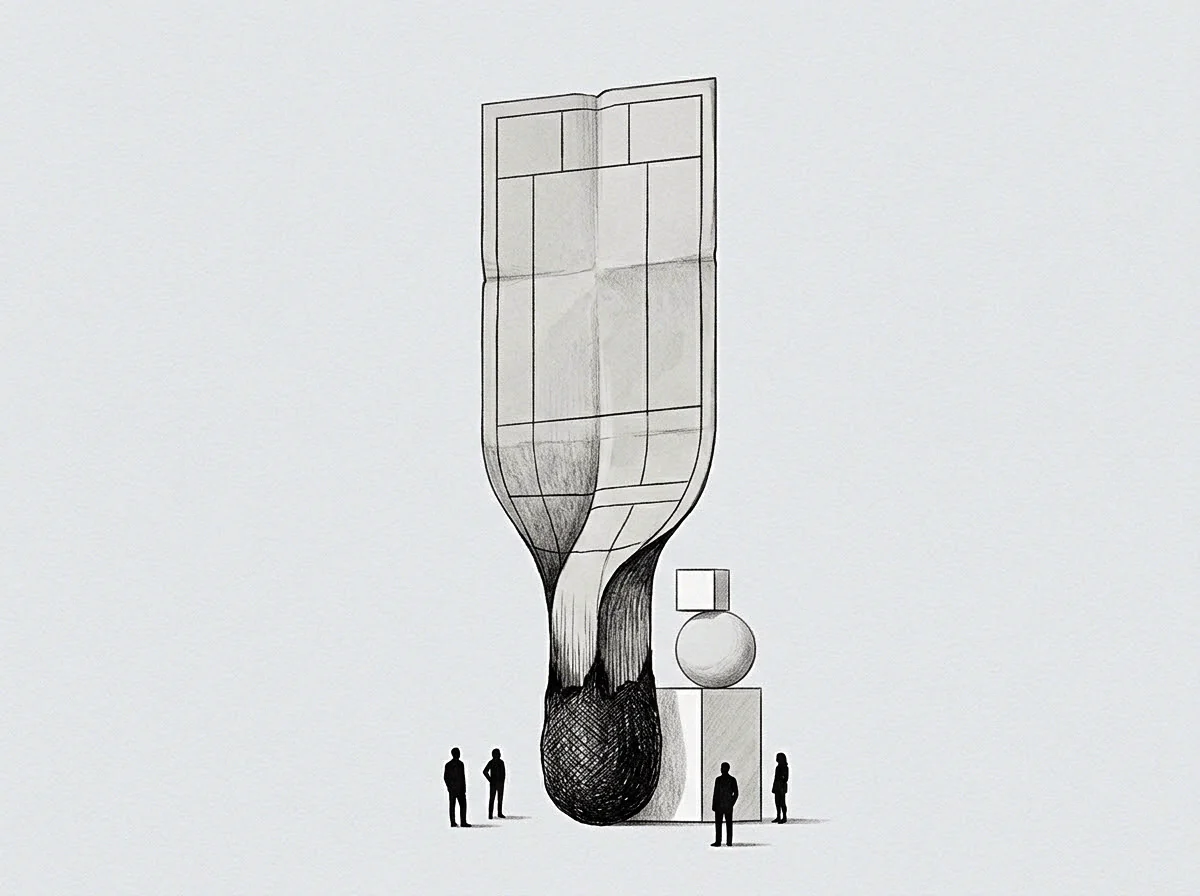
Shared fatigue converts workspace proximity from a co-regulatory asset into a continuous physiological evaluation burden that suppresses heart rate variability.
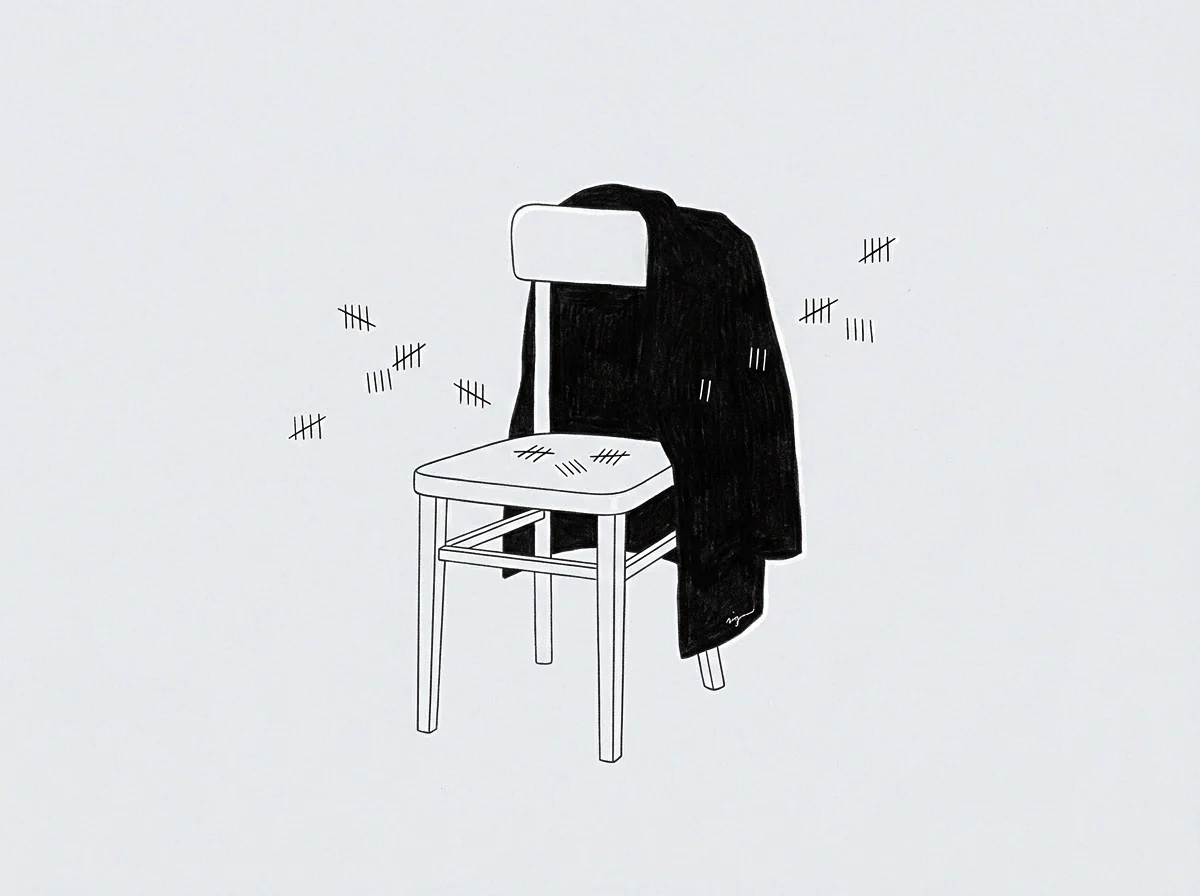
Shared desk hours elevate nervous system arousal through autonomic entrainment, transferring stress from erratic workers to adjacent stable operators.

Extended solitary founder tenure locks threat processing into high gain, which down-regulates only through repeated operational co-regulation with a stable peer.
Concurrency limits in expanding management systems are determined by setting hard limits on parallel task intake based on human state capacity.

Solitary leadership recalibrates neural threat processing by elevating baseline vigilance while constricting relational capacity through unshared regulatory load.
Solitary technical building removes environmental co-regulation, forcing the brain to expend metabolic energy on self-regulation and throttling cognitive headroom.
Unilateral regulation in shared operational space shifts physiological load onto one nervous system, elevating baseline cortisol and suppressing regulatory receptor updates.
Operational panic concentrates into the calmest executive present whose nervous system absorbs the metabolic cost of stabilizing the entire leadership circle.

Systemic boundaries protect venture capacity by gating operational acts on objective system state metrics rather than continuous interpersonal decision making under load.

Somatic co-regulation lowers individual neural energy expenditure by distributing autonomic threat processing across proximal physiological baseline systems.

Chronic unilateral regulation exhausts hypothalamic and autonomic systems, producing severe hypocortisolemia and vagal collapse upon partnership rupture.
Earned security updates insecure working models when repeated operational stress meets steady co-regulating presence, lowering metabolic load through shared baseline threat processing.

An executive limit acts as a structural term that redirects incoming operational load once personal regulation reaches setpoint thresholds.
Social baseline economics shows that professional dyads share regulatory load, where one partner's steady physiological state lowers another's metabolic stress cost.
Solitary allostatic containment elevates metabolic expenditure by forcing continuous self-regulation without the biological cost reduction of shared presence.
Sustained pressure elevates allostatic load, triggering subcortical threat circuits that deactivate prefrontal regions storing cognitive attachment knowledge.
Intellectual understanding fails to soothe autonomic threat because subcortical regulation requires repeated relational safety signals rather than cognitive insight.

Isolated executive self-regulation restructures neural templates to downregulate co-regulatory receptors, turning solo containment into an expensive biological baseline.

Unidirectional executive regulation shifts team autonomic strain onto a single leader, creating quiet allostatic load and eventual system throttling.
Unreciprocated leadership alarms force continuous prefrontal metabolic expenditure, burning executive neural reserves to subsidize organizational calm.
Prolonged isolation suppresses oxytocin receptor cascades, converting social proximity from a metabolic resource into an aversive threat upon reentry.
Autonomic safety after high-stress isolation requires repeated low-demand physical proximity to downregulate chronic sympathetic vigilance.
Asymmetric regulation contracts deplete the stabilizing partner, causing sudden operational failure and partner attrition when unbuffered friction exceeds capacity.

Shared operational hazard links co-founder nervous systems, replacing parasympathetic regulation with sustained sympathetic baseline threat activation.
Extended high-stakes load downregulates central glucocorticoid receptor sensitivity, flattening cortisol rhythms and reducing executive processing headroom.
Self-regulation alone taxes human physiology, forcing sole regulators in high-growth firms to throttle operational output when total allostatic load hits ceiling.
Transitioning from unilateral buffering to distributed accountability requires hard governance latches that force local teams to absorb operational variance directly.
The terms are written where they belong. Each field holds three desks, and every entry a desk writes raises the terms it uses, each term given a meaning, a mechanism and the places it appears. The record on these pages stays first person and hand made; the fields grow the nomenclature.