Meaning
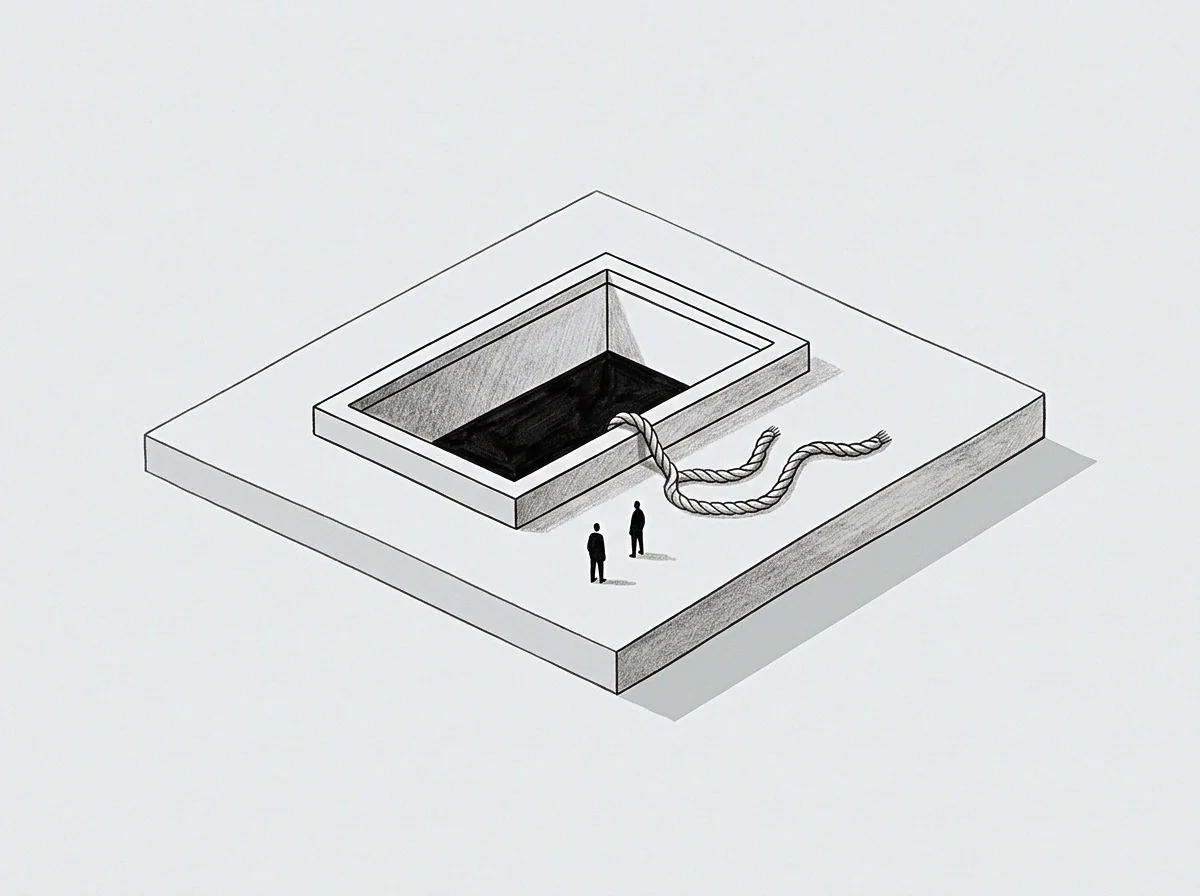
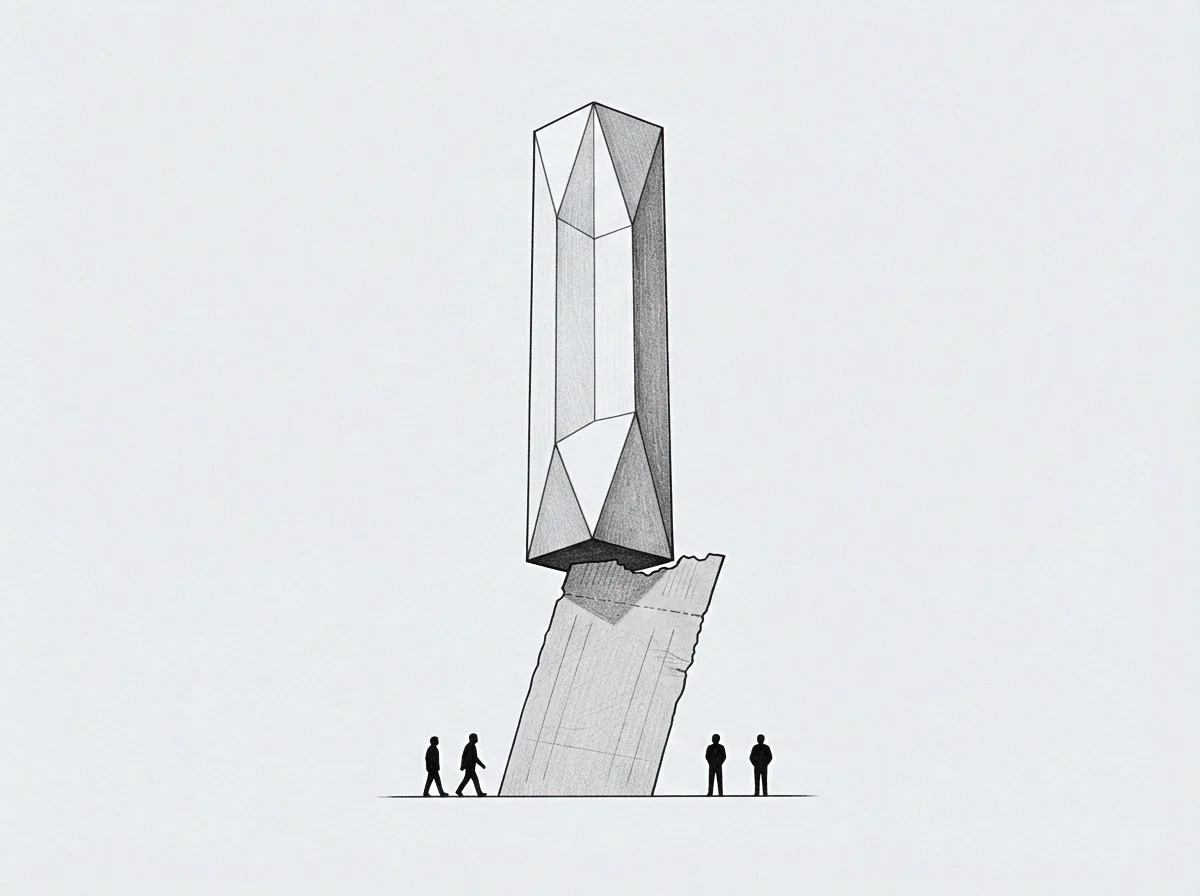
Physiological stability results from the proximity of another nervous system that modulates autonomic activity through nonverbal cues. Co-regulation involves a dyadic process where one person provides external signals that dampen or amplify the internal states of another individual. This mechanism functions as a biological support system for nervous system homeostasis during periods of high demand or uncertainty.
External biological inputs replace the need for an individual to manage their own baseline through solitary cognitive effort alone.
Operational Mechanism
High arousal levels require sensory input from a calm partner to return the nervous system to a baseline capacity for focused work. Proximity alone does not trigger this effect because the signal requires intentional engagement such as eye contact, tone, or specific rhythmic gestures. These signals influence heart rate and respiration by signaling the safety of the environment to the subconscious brain.
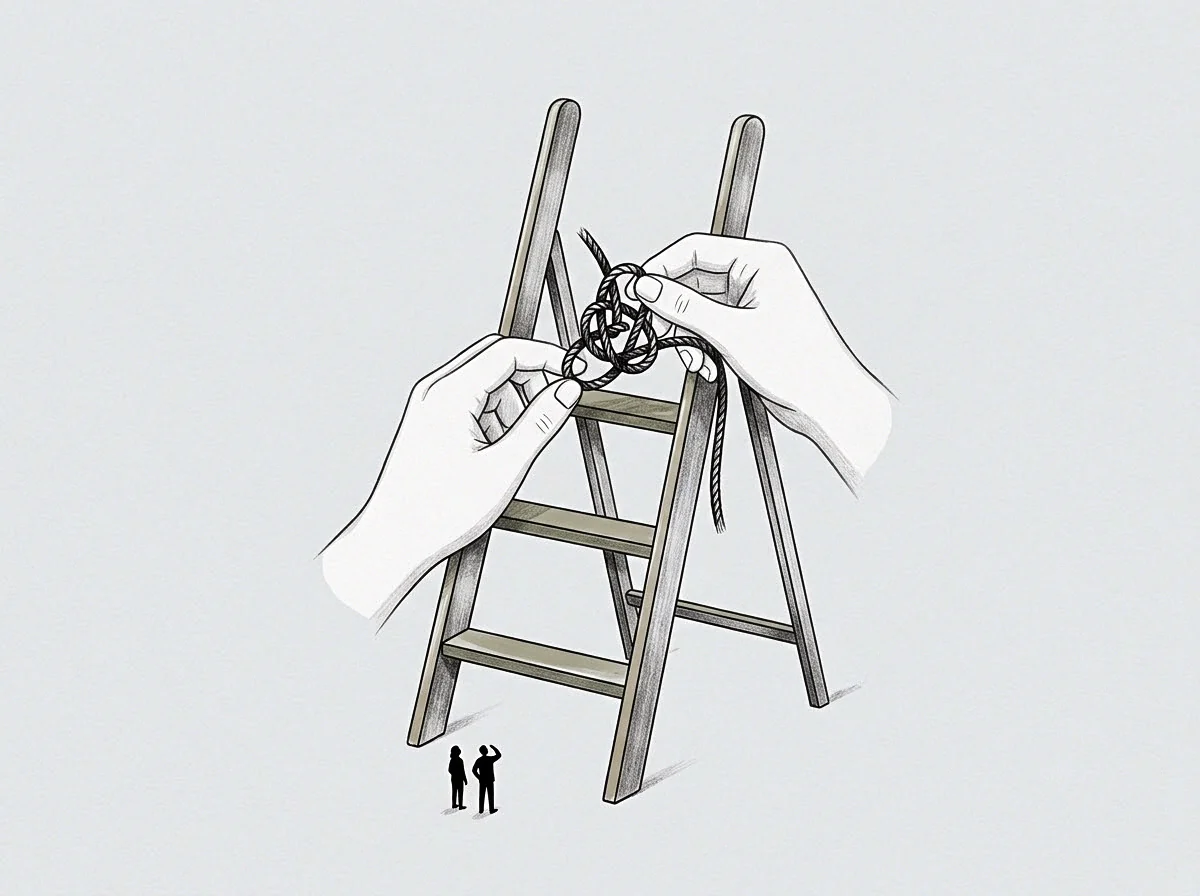
Founders often lack access to these stabilizing inputs when they operate in isolated roles or within teams that prioritize high-pressure communication over biological safety. The biological cost of sustaining focus increases when an individual spends excessive attention attempting to manually maintain internal regulation without external buffering.
Regulatory Boundary
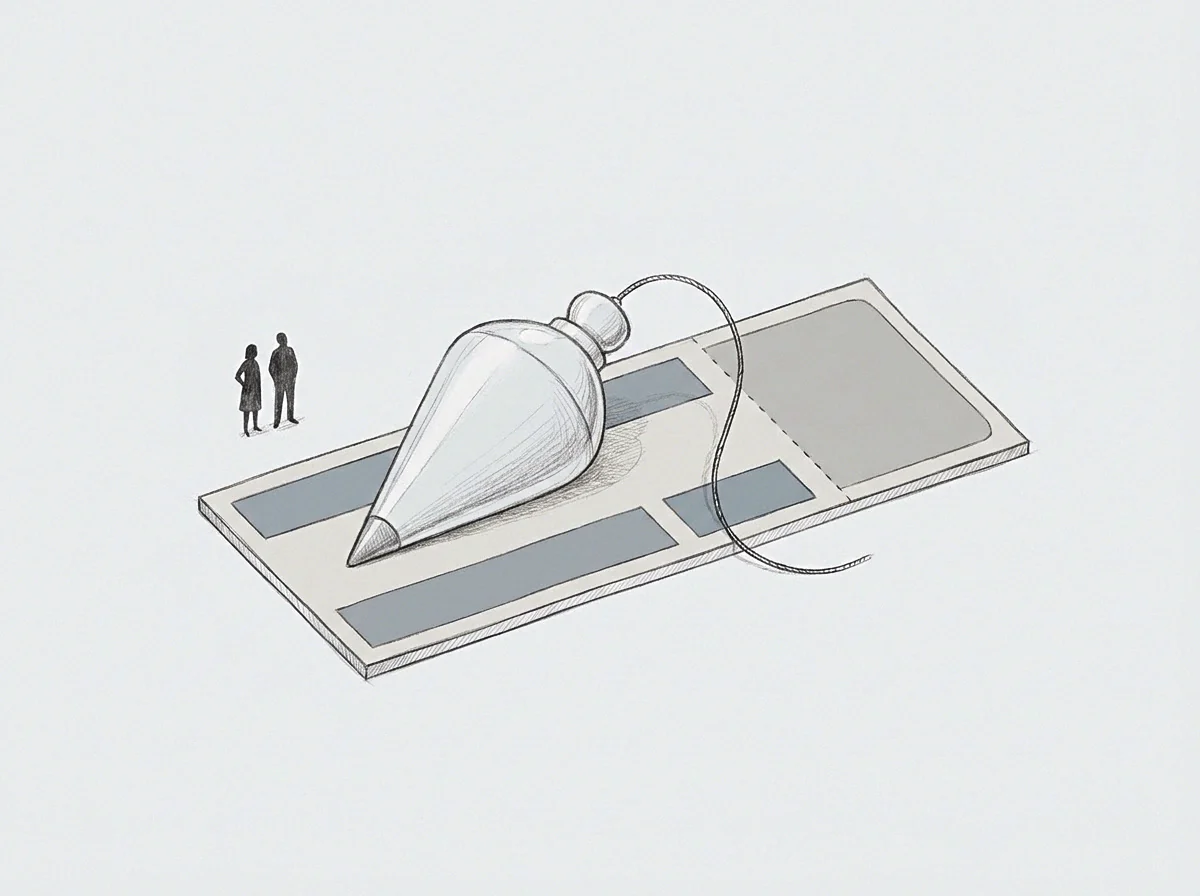
Self-regulation describes the capacity to return to a baseline state without external input, whereas co-regulation relies on the presence of a responsive external actor. Borrowed regulation operates similarly but happens through digital or asynchronous channels rather than live physiological proximity. Availability of a partner provides a floor for emotional and physiological stability during the unpredictable periods of post-founding activity.
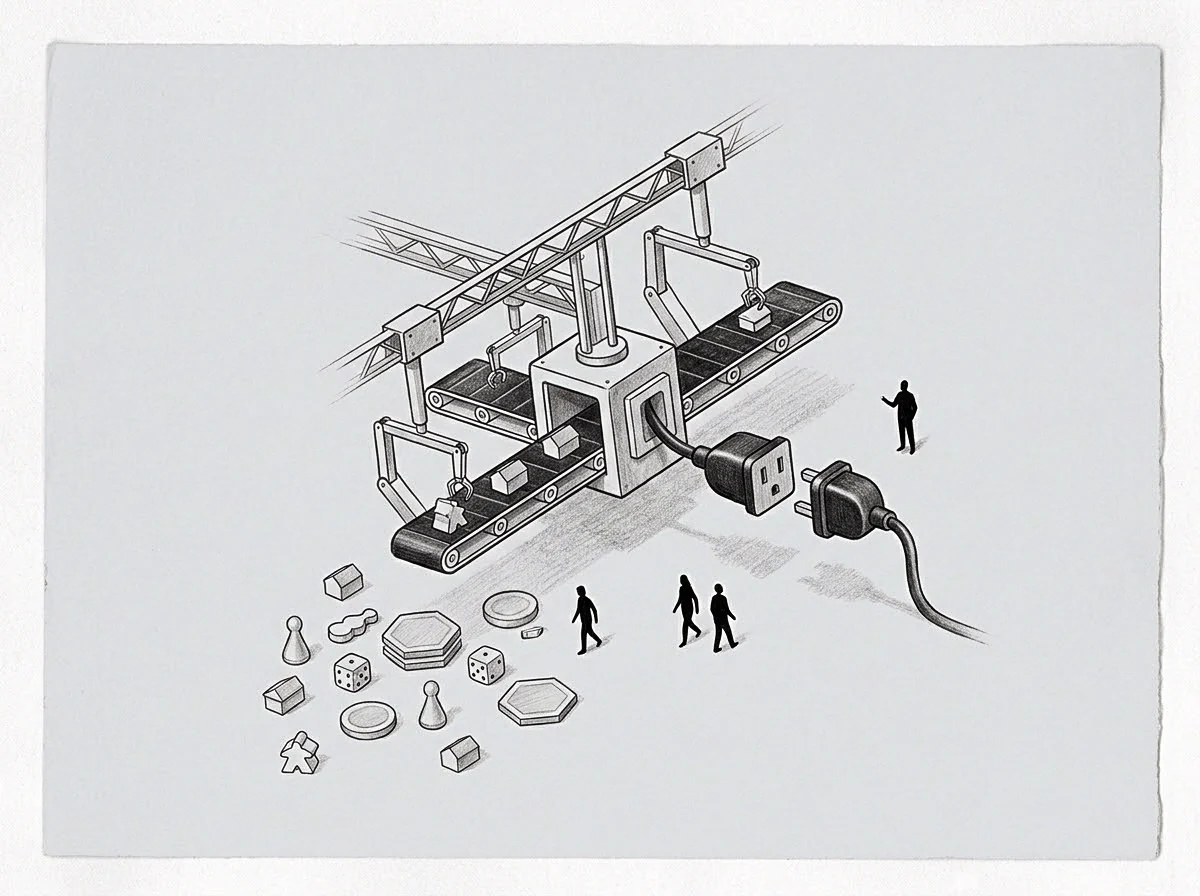
High dependence on a single person creates a risk where the absence of that person triggers a collapse in stable output.
Systemic Constraint
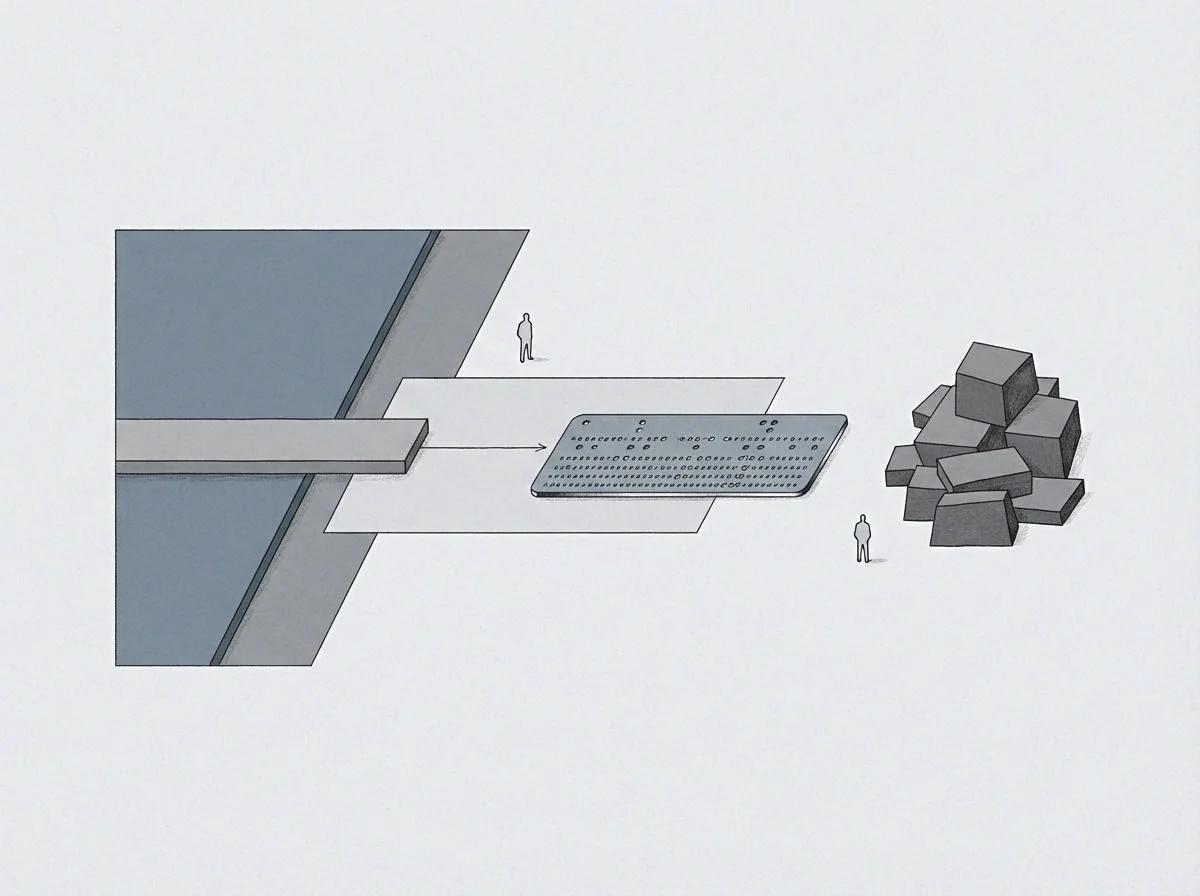
Distributed regulation assumes that capacity remains fixed across a team rather than concentrated in one leader. Capacity limits prevent founders from maintaining constant alertness without an external source of calm to offset the constant demand for decision-making. Constant activation of the sympathetic nervous system leads to physiological fatigue that manual strategies fail to mitigate over long cycles.
Access to reliable co-regulation determines the duration a person can sustain high levels of cognitive load before performance reaches a state of failure.