

Social Baseline Adaptation Following Extended Solitude
Extended solitude shifts neural budgeting to solo threat monitoring, rendering initial co-regulatory presence an energetic load rather than calm.
Extended solitude shifts neural budgeting to solo threat monitoring, rendering initial co-regulatory presence an energetic load rather than calm.
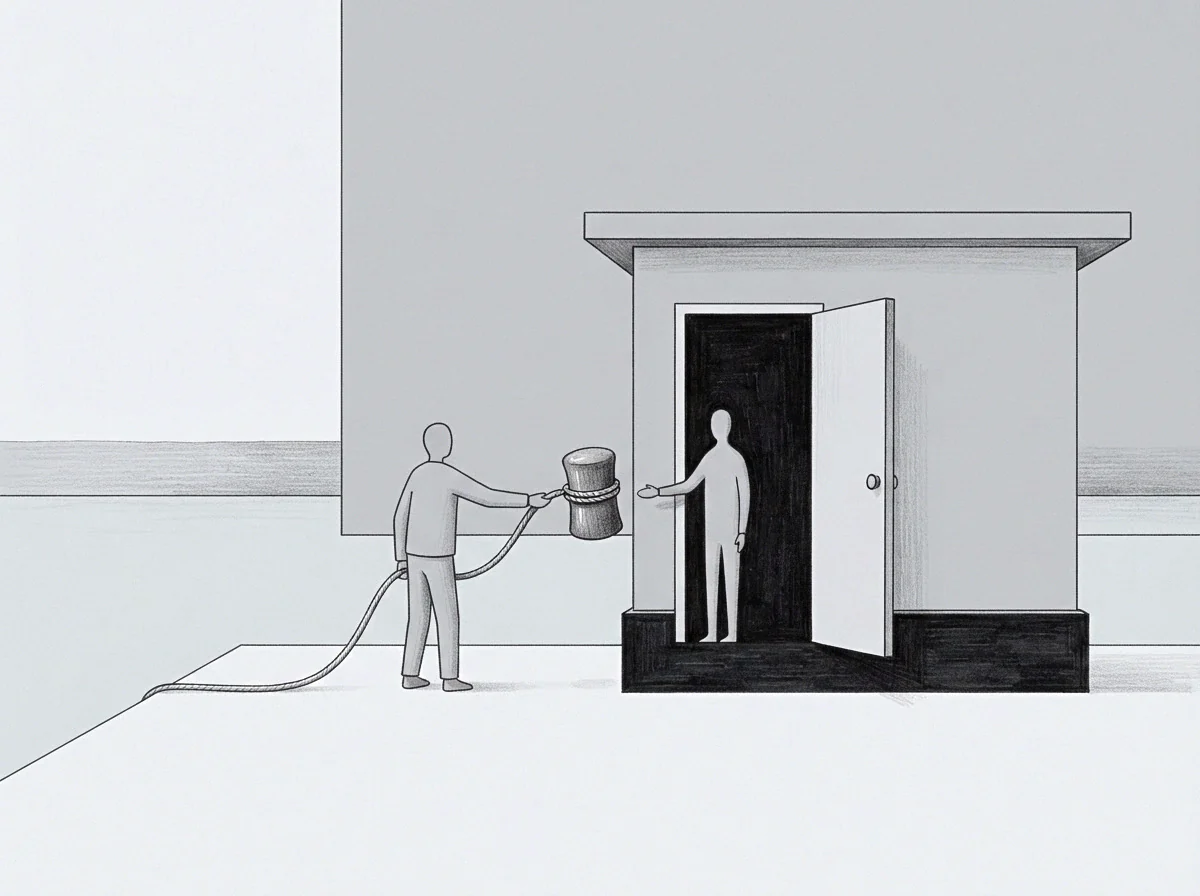
Solo leadership elevates neural metabolic expenditure because self-regulation lacks the physiological load sharing provided by direct coregulating proximity.
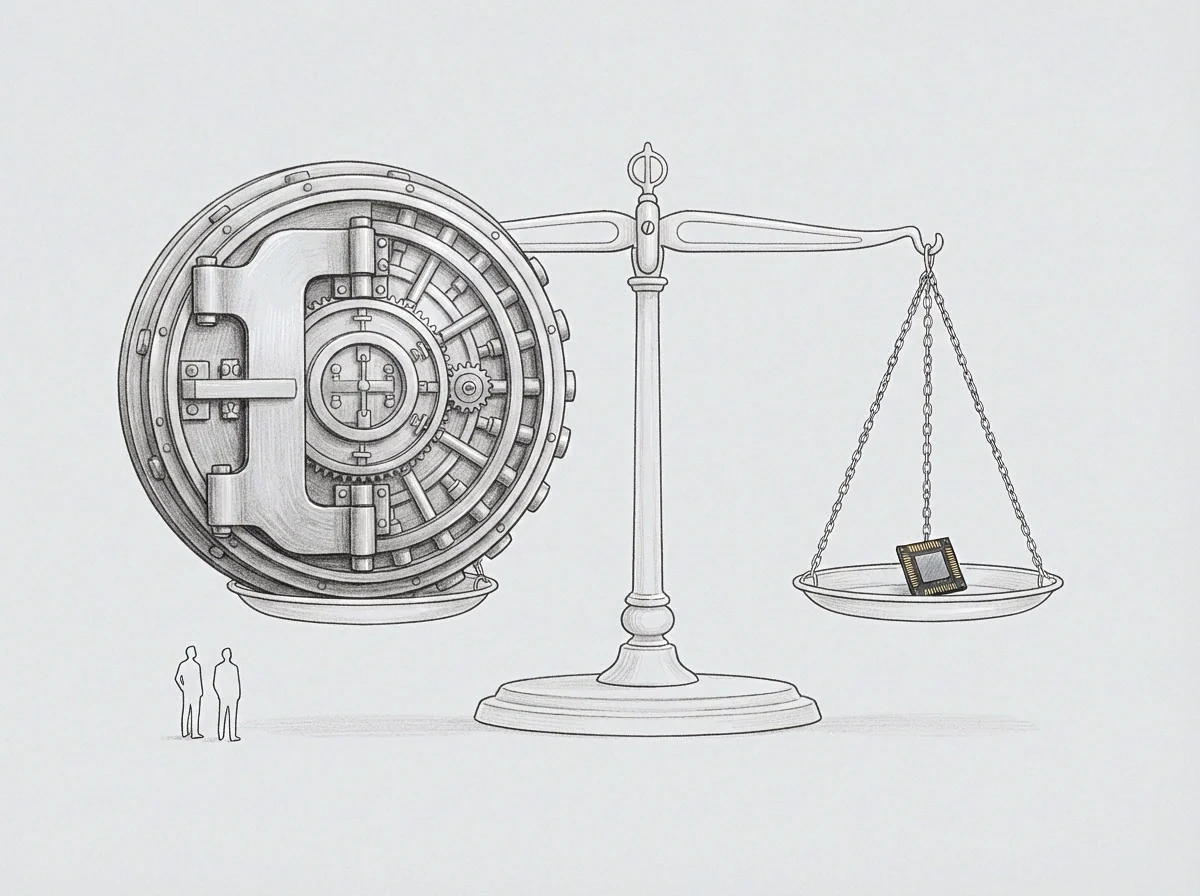
Chronic operational stress down-regulates relational safety receptors, but structured non-demanding co-regulation systematically restores earned security.
Coregulation rebuilding requires transitioning from solitary neural budgeting to reciprocal presence that distributes metabolic loads across trusted bodies.

Extended operational overload converts social proximity from a regulatory subsidy into an incoming load, requiring repeated safe experience to rebuild baseline capacity.

Reciprocal regulation in high limit systems requires developing neural receptor capacity to ingest external calm rather than using boundaries for isolated throttling.
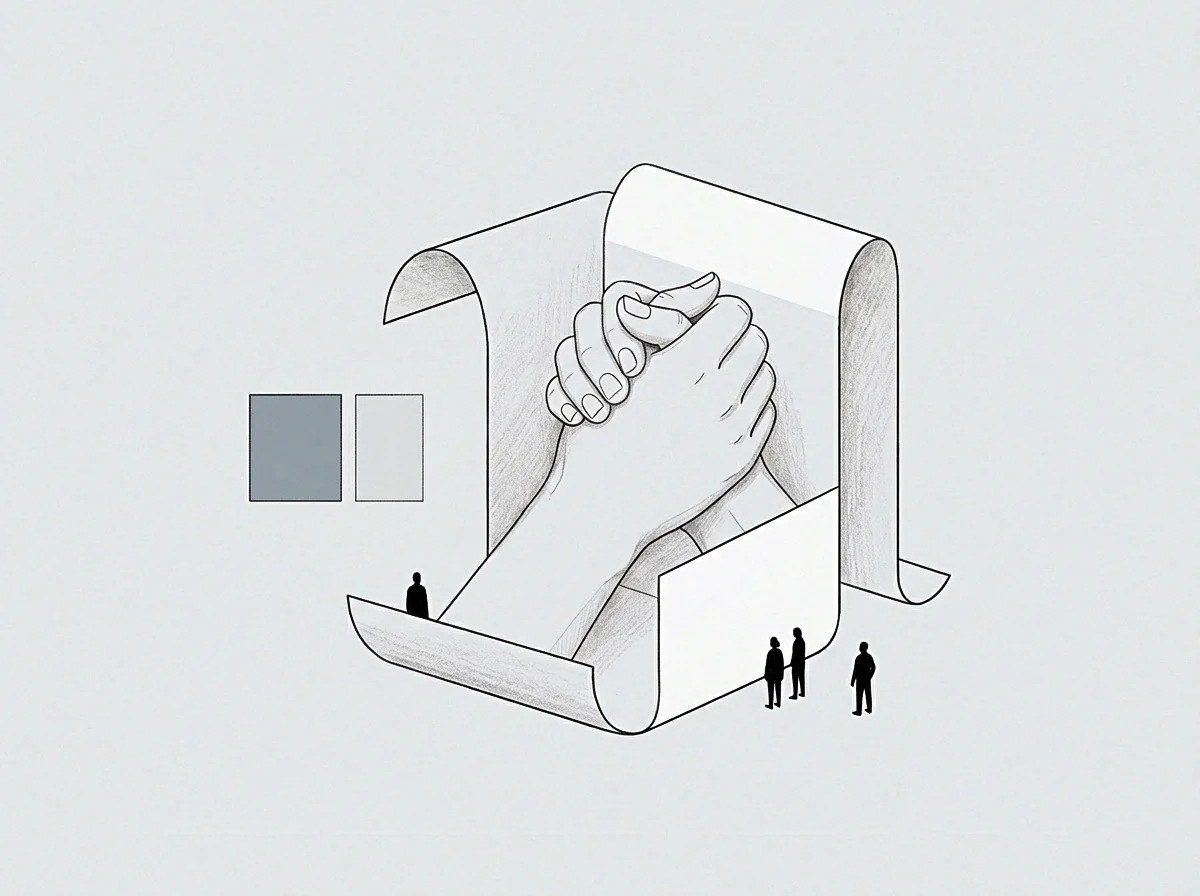
Inverted internal working models force founders under high autonomic load to regulate everyone around them while blocking incoming co-regulation.
Solitary threat monitoring forces continuous autonomic elevation, whereas social baseline proximity distributes regulation costs across trusted counterparties.
Allostatic load transfers across executive coalitions when dysregulated officers continuously rely on baseline-stable peers to down-regulate sympathetic arousal.

Proximity to a steady partner lowers the metabolic cost of baseline threat regulation by offloading prefrontal expenditure onto a shared physiological baseline.
Executive team autonomy depends on replacing direct founder co-regulation with structural governance boundaries that absorb operational risk stress.
Social baseline theory shows human brains treat proximate reliable state as energy savings, concentrating operational strain onto whoever remains regulated.
Executive stress physiology shifts toward chronic depletion when solo threat appraisal continuously exceeds the biological capacity for self-regulation.

Autonomic intake restoration reverses sympathetic blockade under chronic executive load, re-establishing parasympathetic tone and visceral nutrient processing.

Solo regulation in executive seats raises neural threat monitoring costs, consuming prefrontal energy reserves that co-regulated structures preserve.

Insolvency shock alters executive baseline templates, requiring repeated co-regulation to rebuild neural receptor capacity for stable downward support.
Executive isolation forces the brain to budget environmental threat without social baseline regulation, accelerating autonomic exhaustion and decision failure.
Uncoupling autonomous regulation templates during intimacy keeps sympathetic drive elevated, causing vascular resistance and cardiovascular shear stress despite physical proximity.
Sustained allostatic load alters autonomic gating, turning coregulative tactile input into sensory startle responses that increase metabolic regulation costs.
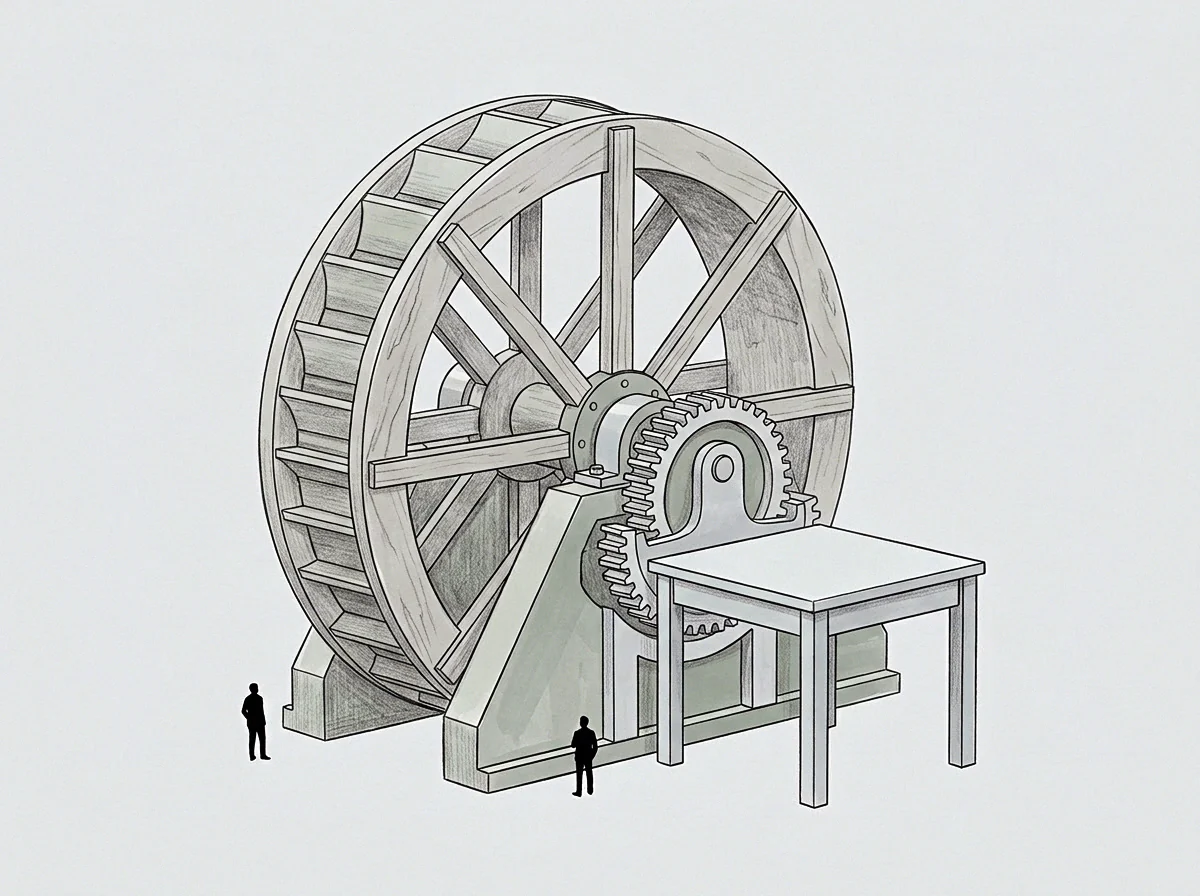
Unidirectional baseline absorption under capital pressure alters internal working templates, converting executive presence into a continuous regulatory expenditure.

Capital scarcity accelerates executive exhaustion by converting financial buffer deficits into unsustainable interpersonal baseline borrowing across leadership dyads.
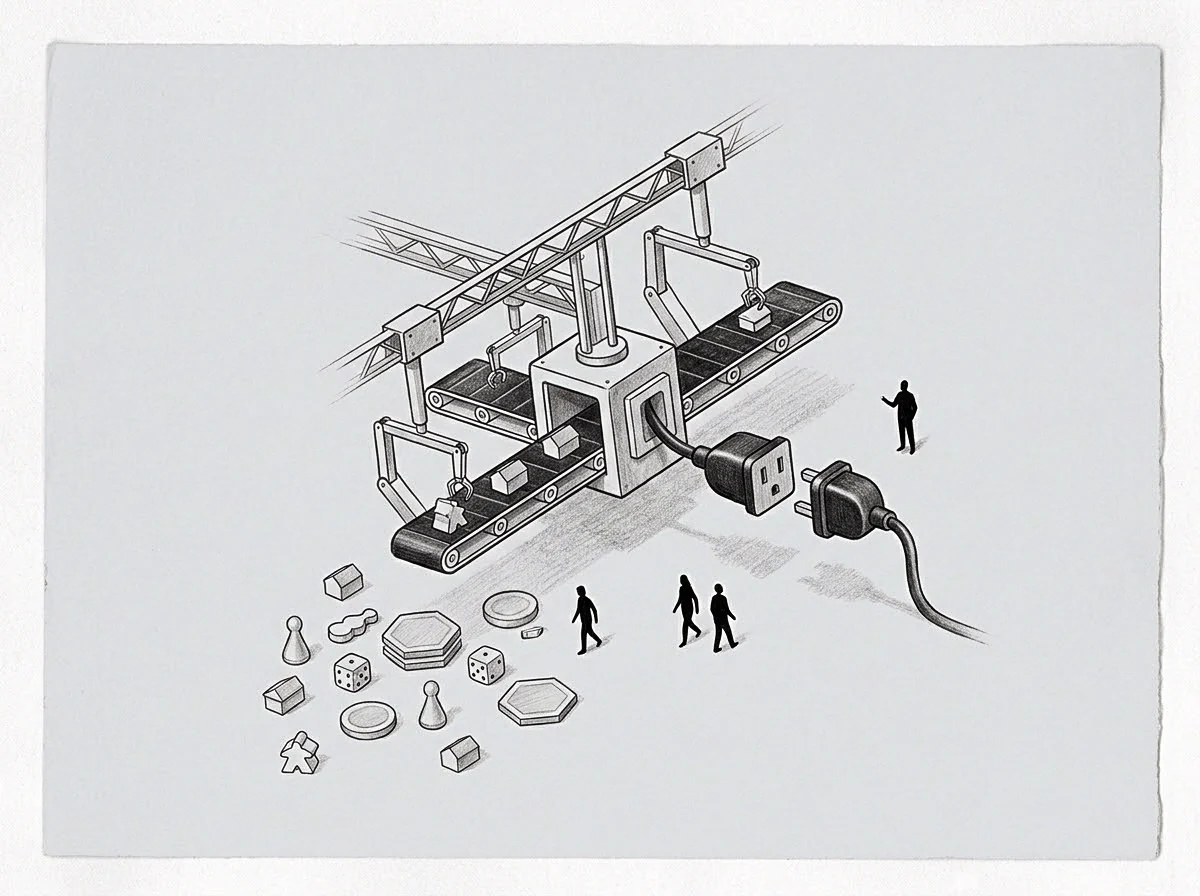
Executive nervous systems outsource regulation through proximity, but inverted templates force one partner to bear the metabolic cost of team stability.

Receptor downregulation under chronic overload throttles receptive neural pathways, making incoming dyadic calm register as sensory load during reentry.
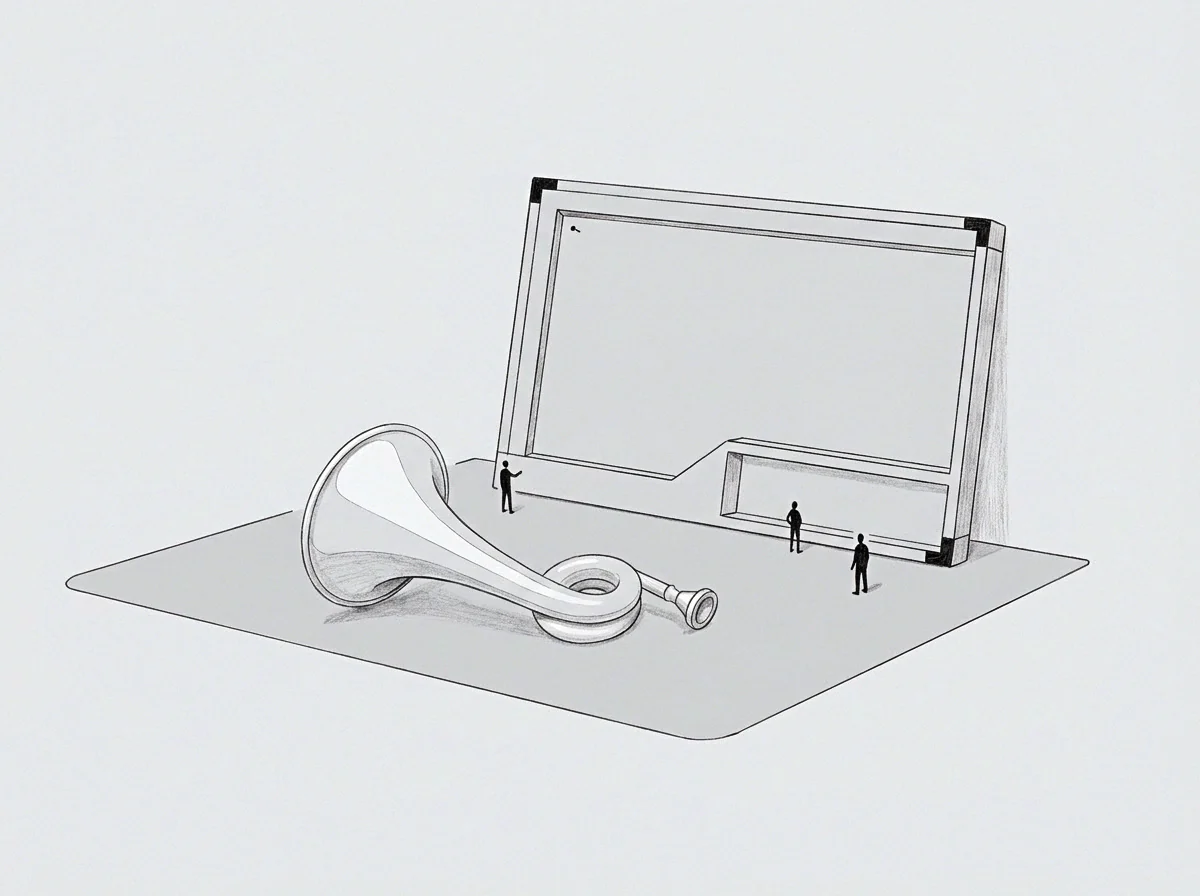
Extended structural isolation forces operators into high-cost solitary regulation, suppressing neural receptor slots needed for dyadic co-regulation.

Executive depletion resolves when central leaders enforce structural limits, stopping distributed nodes from offloading local regulatory responsibility under acute shock.
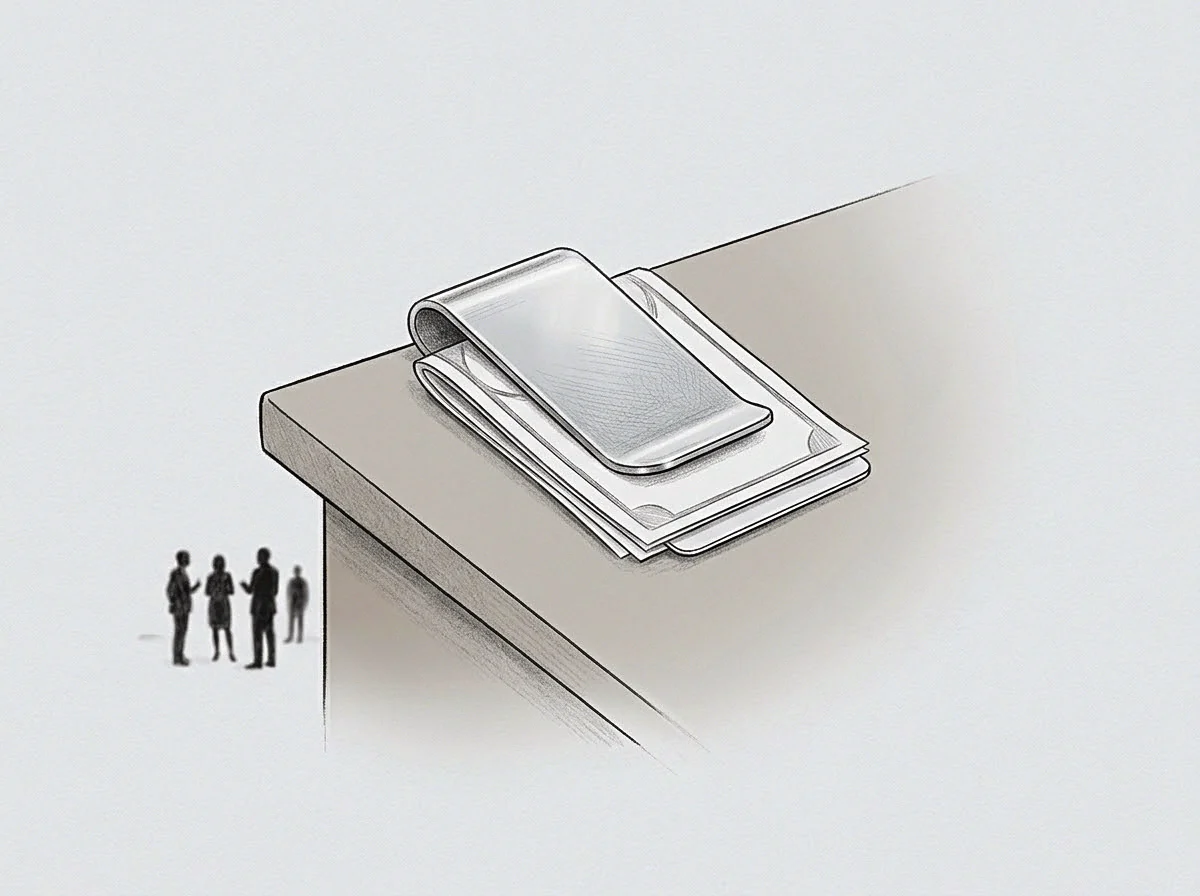
Lateral peer buffering blunts executive allostatic load during crisis by distributing neural threat appraisal across non-evaluative, structurally symmetric equals.
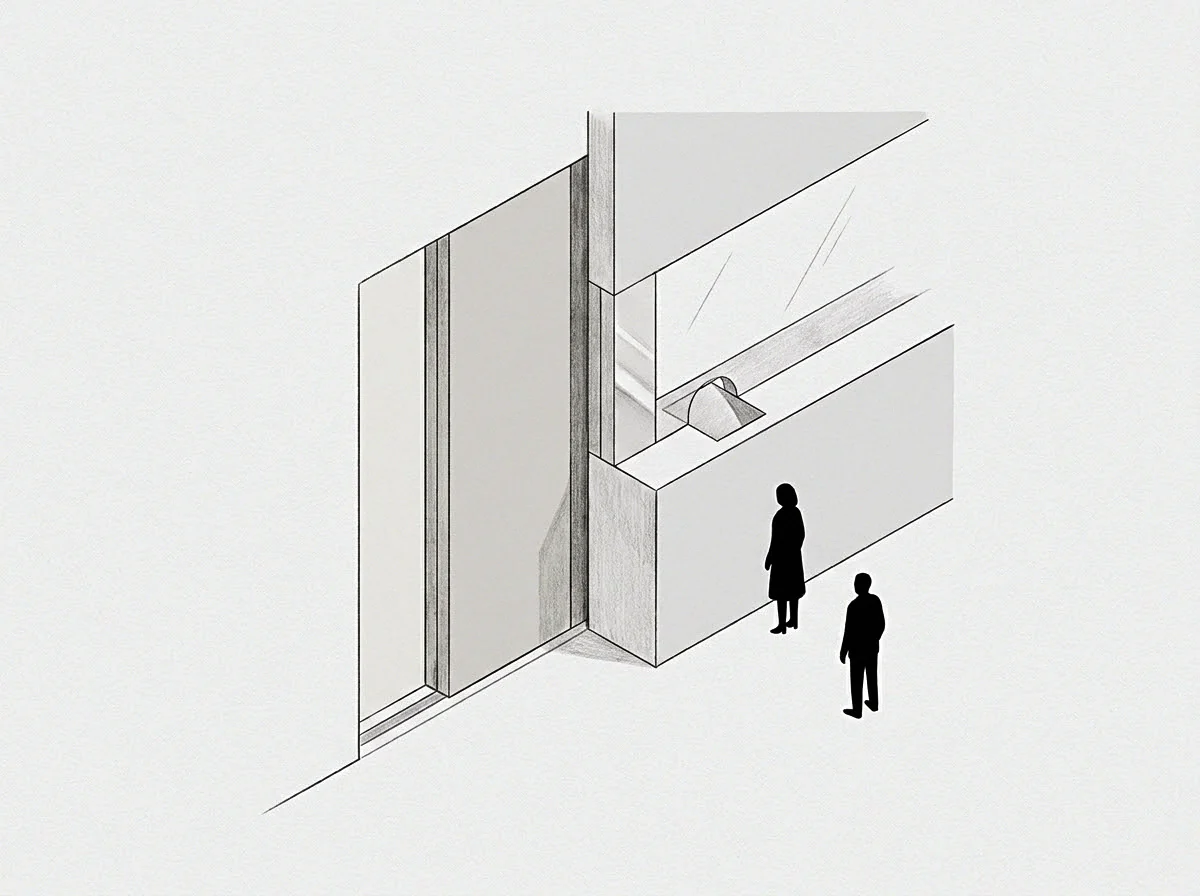
Unbuffered group regulation forces a central leader to metabolize collective team anxiety, causing autonomic exhaustion without structural dampers.
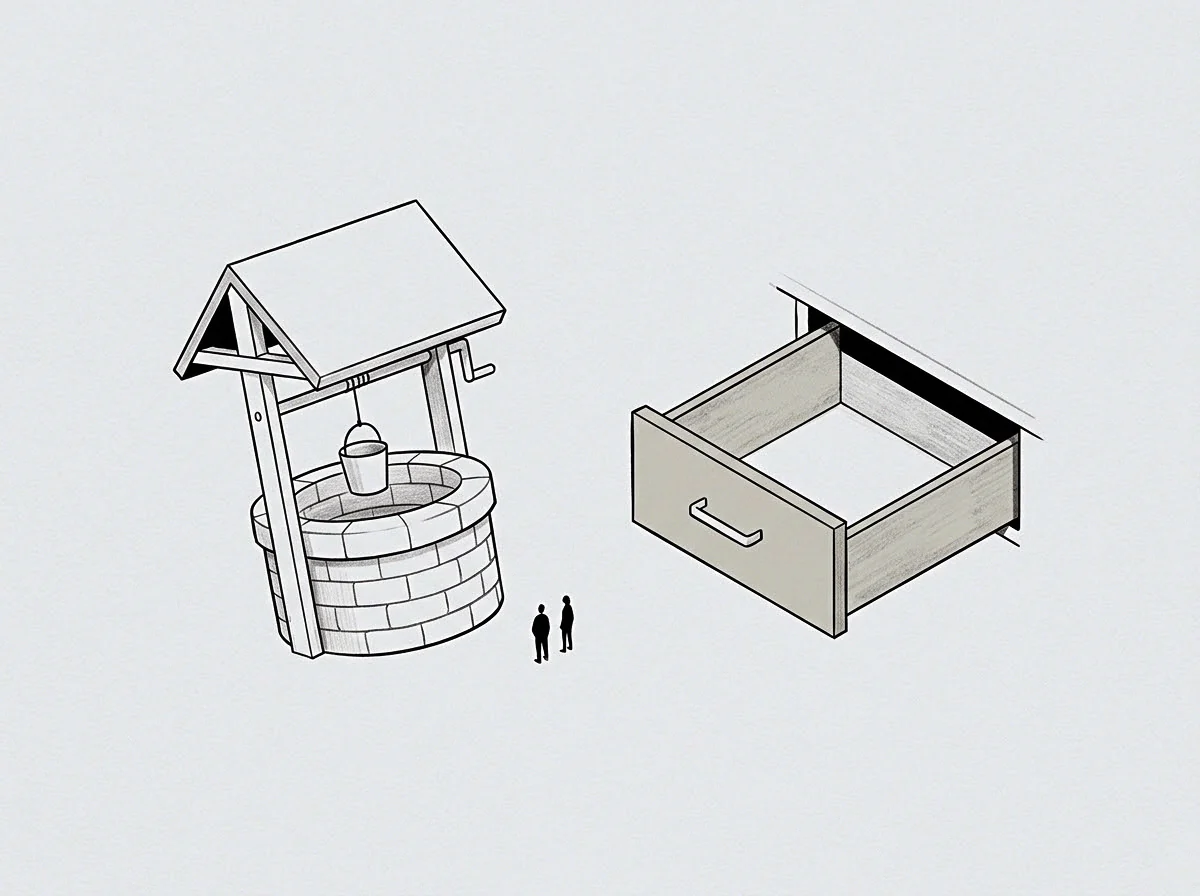
Deep strain floods threat networks, suppressing prefrontal channels and blocking the neural slots required to process external calm as a physiological subsidy.
The terms are written where they belong. Each field holds three desks, and every entry a desk writes raises the terms it uses, each term given a meaning, a mechanism and the places it appears. The record on these pages stays first person and hand made; the fields grow the nomenclature.