Meaning
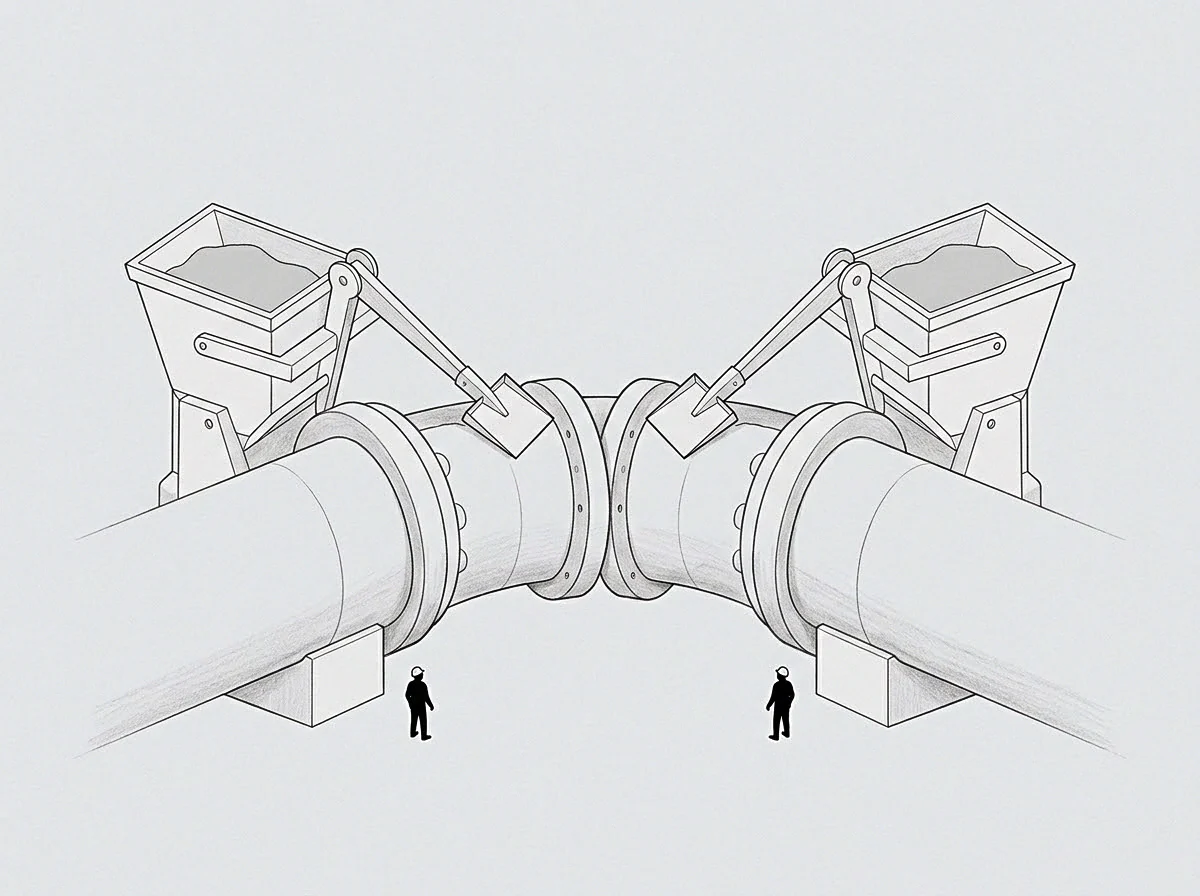
Borrowed regulation is an external compliance framework adopted voluntarily by an early organisation before statutory authorities enforce it. Operating this imported constraint consumes three hundred discretionary hours annually in administrative overhead and attention. Founders establish this makeshift governance to bypass the friction of building internal rules from zero.
Statutory bodies eventually replace these temporary architectures with mandatory inspections and sector specific statutes.
Operational Load
Importing established oversight mechanisms demands continuous cognitive capacity from the leadership team. Maintaining compliance with unwritten industry standards requires weekly audits of internal documentation. External monitors evaluate these imported protocols during initial investor diligence phases.
Small teams absorb these operational costs by deferring core product development cycles.
Regulatory Boundary
This borrowed structure ceases to function effectively when regional jurisdiction statutes diverge from sector norms. Jurisdictional conflicts force organisations to abandon imported compliance models in favour of local statutory mandates. Transitioning away from temporary oversight mechanisms exposes hidden operational gaps within the current management hierarchy.
Legal advisors intervene when foreign standards contradict domestic incorporation requirements.
Systemic Cost
Absorbing external governance frameworks limits strategic flexibility during periods of rapid market contraction. Capital allocation shifts permanently toward maintaining compliance records rather than scaling operational output. Founders trade immediate autonomy for predictable interactions with institutional counterparties.
This structural dependency permanently alters the risk profile of the growing enterprise.